
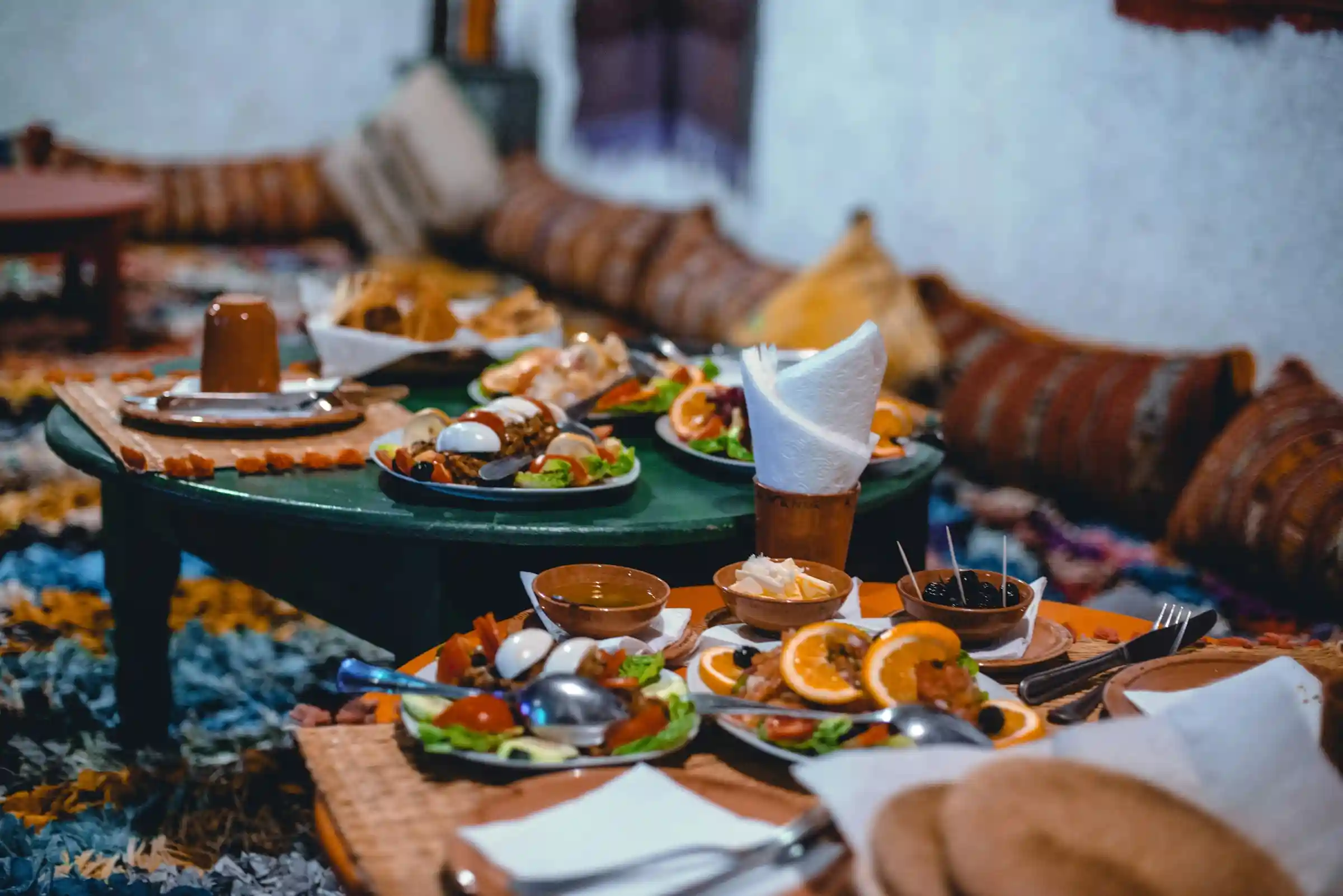
Moroccan Food Guide: 20 Traditional Dishes and Drinks to Try
Choose between two tagines, recognize fresh msemen at breakfast and know what to ask before ordering fish by the kilo. Here is how to eat your way from the medinas to the coast and the Sahara.
What is Moroccan food like?
If you lift the lid on a chicken tagine, the first thing you may notice is the scent of preserved lemon. Lift the lid on a lamb tagine and it might be cinnamon and soft prunes. Both are traditional Moroccan food. The pot tells you how dinner was cooked. The next few words on the menu tell you how it will taste.
Morocco’s cuisine belongs to the Maghreb in North Africa. Amazigh food traditions, Arab-Andalusian cooking and Moroccan Jewish kitchens have all helped shape it. Olive oil, wheat, citrus and fish link it to the Mediterranean. Atlantic fishing ports, mountain villages and the date oases of the southeast each bring something different to the table. Read more about the history of Morocco.
20 foods and drinks to recognize on a Moroccan menu
- Couscous — Steamed grains and vegetables for Friday lunch.
- Tagine (tajine) — A slow-cooked dish to scoop up with bread.
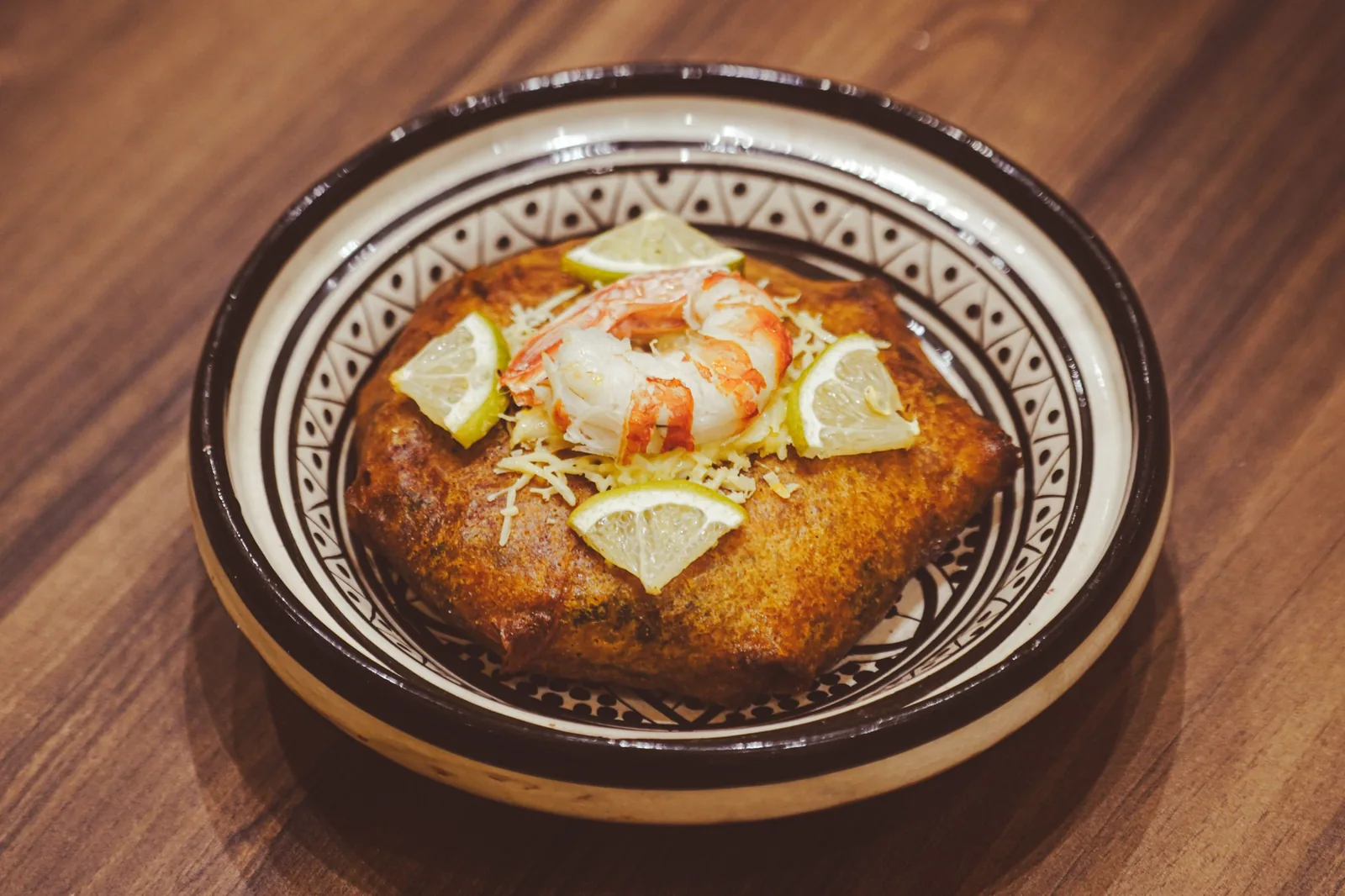
- Pastilla (bastilla) — A crisp pie with a poultry or seafood filling.
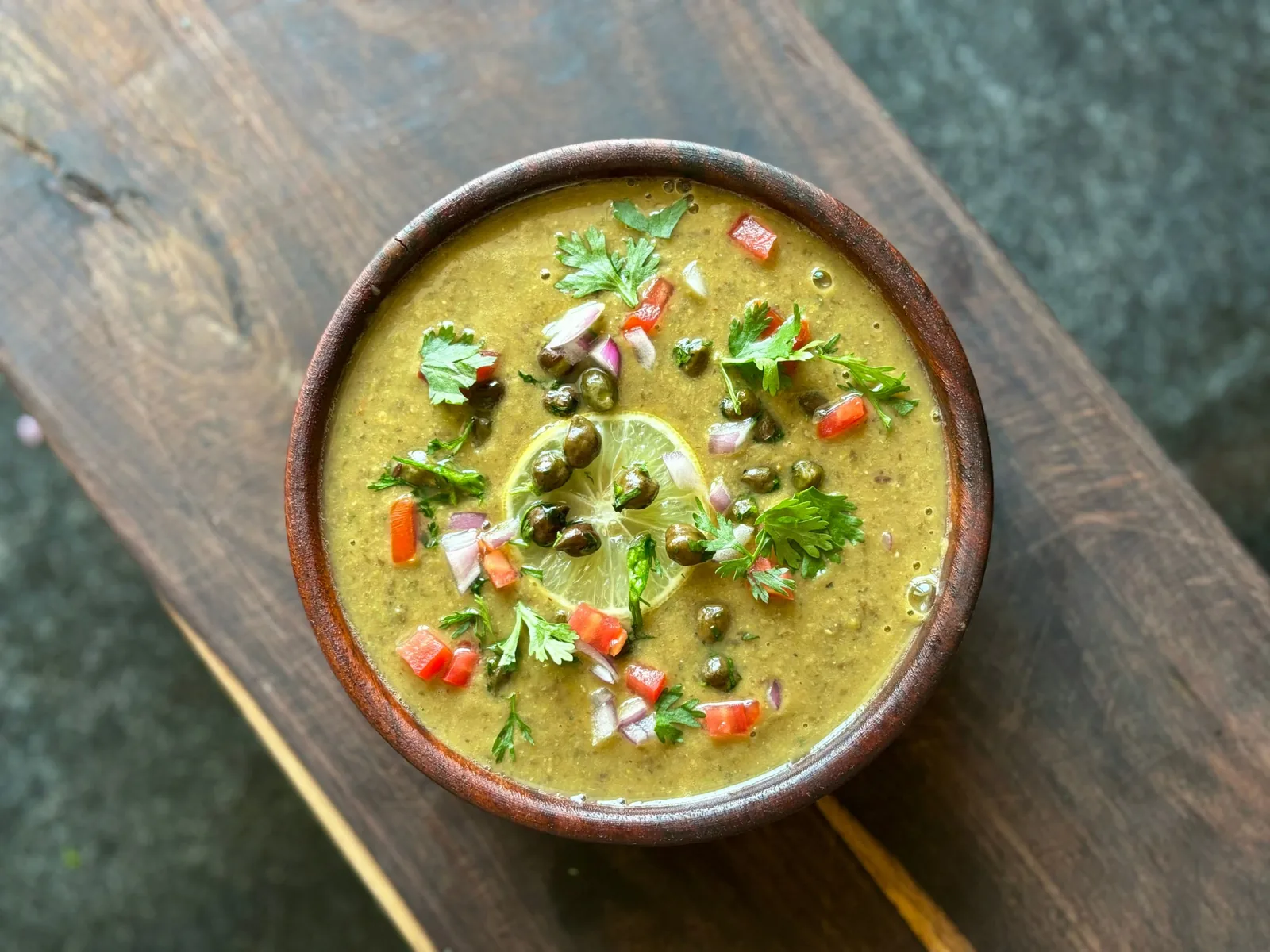
- Harira — Tomato, chickpea and lentil soup.
- Rfissa — Chicken and lentils over torn flatbread.
- Tanjia — Marrakech’s slow-cooked meat in a clay jar.
- Mechoui — Roast lamb served with salt and cumin.
- Kefta — Seasoned minced meat, grilled or simmered.
- Brochettes — Skewers of meat cooked over charcoal.
- Moroccan salads — Small shared plates such as zaalouk and taktouka.
- Msemen — A flaky, square griddled flatbread.
- Baghrir — A tender pancake with tiny holes on top.
- Bissara — A thick soup of fava beans or split peas.
- Maakouda — A potato fritter, often tucked into bread.
- Briouats — Small folded pastries with savory or sweet fillings.
- Chebakia — Honeyed sesame pastries often served with harira.
- Sfenj — An airy ring of freshly fried dough.
- Grilled sardines — A good first order at an Atlantic port.
- Khobz — A round loaf for dipping and sharing.
- Mint tea (atay) — Green tea brewed with mint, often sweetened.
What to order on your first day
At breakfast, try one hot msemen with honey alongside an egg and olives. At lunch, share a chicken tagine and a plate of zaalouk. If it is Friday and the kitchen has just steamed couscous, choose that instead. Leave room in the afternoon for a freshly fried sfenj or a small pastry with tea.
For dinner, change the texture as well as the flavor. After a soft, slow-cooked lunch, order charcoal-grilled brochettes with peppers, or a crisp seafood pastilla. On the Atlantic coast, start with the day’s fish. In a riad, ask that morning what the cook can prepare for the evening.
Spices, preserved lemons and the taste of Moroccan cooking
Cumin is the earthy note you may smell at a grill. Paprika gives cooked salads color and sweetness, ginger gives an onion sauce warmth, and cinnamon can appear in lamb dishes as well as pastries. Ras el hanout is a spice seller’s blend whose ingredients and proportions vary. A kitchen may use individual spices for one dish and its own blend for another.
Three menu words help you choose a flavor. Chermoula is an herb-and-spice marinade often used on fish, with ingredients such as coriander, parsley, cumin, garlic and lemon. Tfaya is a sweet topping of onions and raisins. Smen is preserved butter with a pronounced savory flavor, used in some couscous, rfissa and meat dishes.
Is the food spicy?
Many dishes are fragrant and mild. A chicken-and-olive tagine can taste sharp and salty without much chili. A spoonful of harissa or a bite of a hot pepper can change that quickly. If you prefer gentle flavors, ask for chili on the side before the kitchen seasons your portion.
Tagine, from chicken with preserved lemon to lamb with prunes
Tagine, also spelled tajine, names the shallow cooking dish with a conical lid and the meal served in it. Under the lid, moisture condenses and runs back over the ingredients. At the table, tear a piece of khobz and scoop a little of the sauce from your side of the dish. Some restaurants serve food in individual tagines, others in a shared pot. Ask about the portion before ordering two.
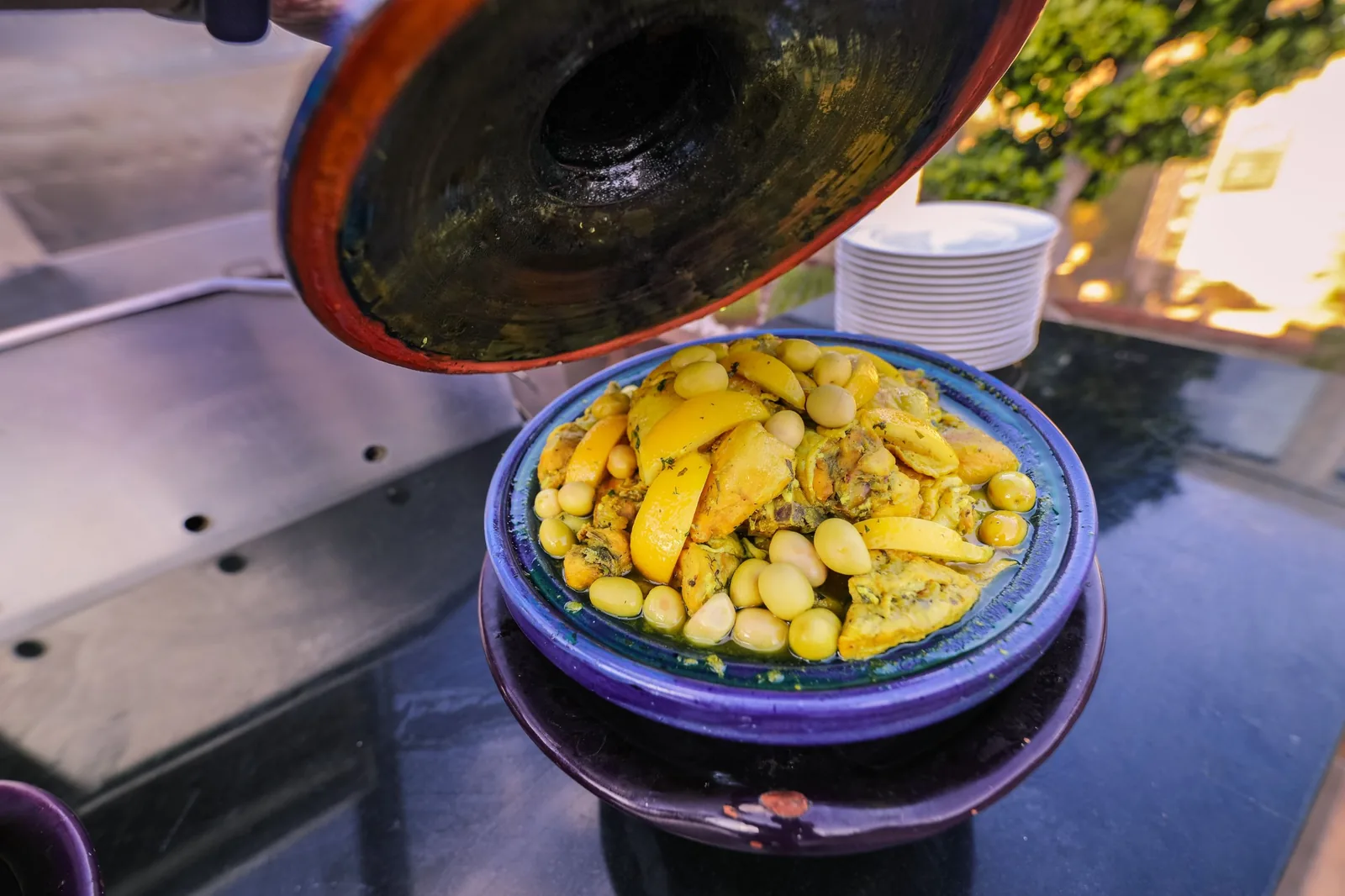
Chicken tagine with preserved lemon and olives
Look for poulet au citron confit or djaj mqualli. Slowly softened onions make a savory sauce. Olives add brine and the thin strips of preserved lemon rind are edible. If the menu mentions daghmira, expect a particularly concentrated onion sauce. Choose this one if you like savory, citrusy flavors.
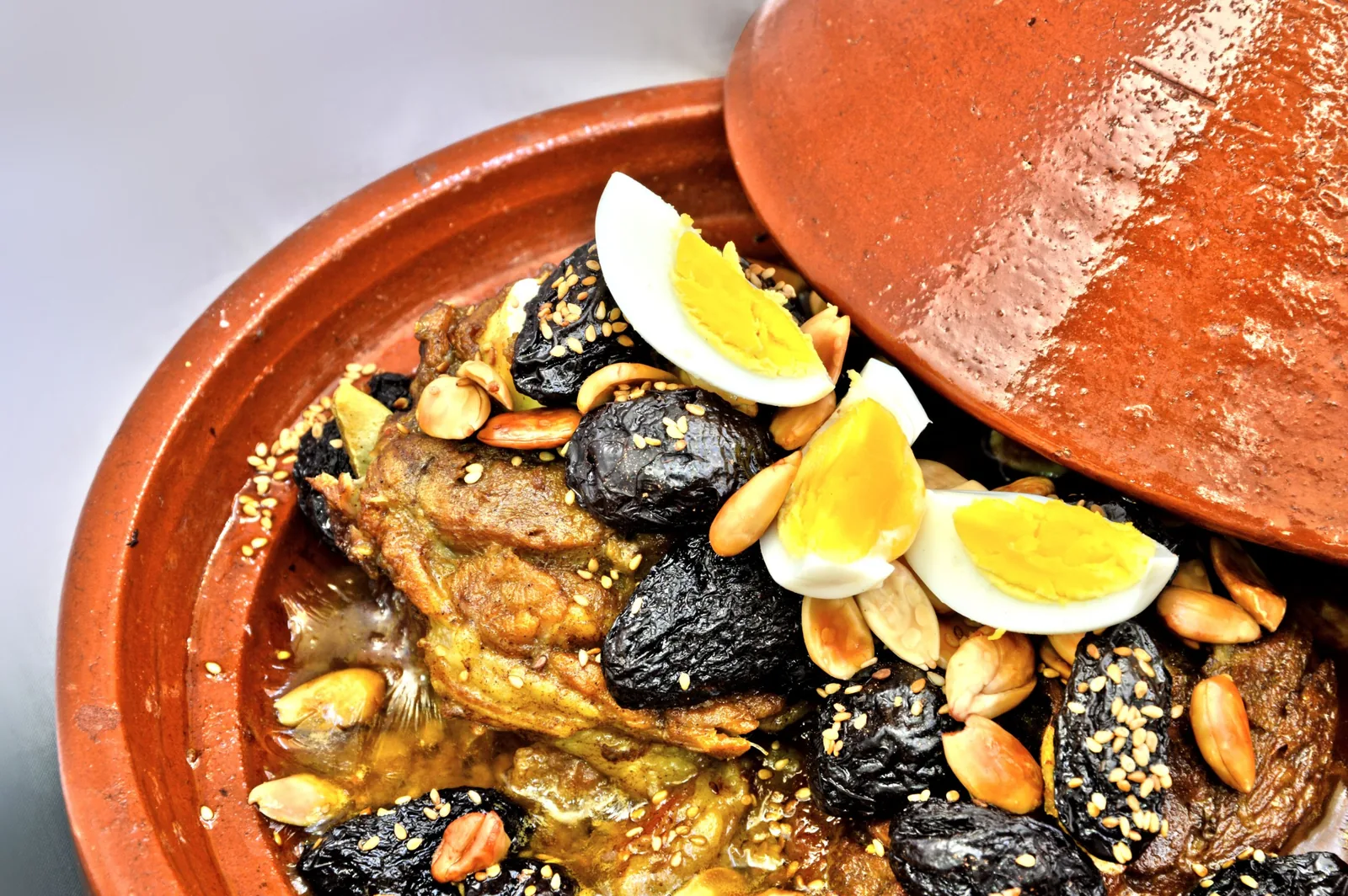
Lamb with prunes and almonds
Here the meat cooks until you can pull it apart with bread. Prunes bring sweetness, cinnamon gives the sauce its warmth, and toasted almonds add crunch. Beef can be prepared the same way. For a savory alternative, ask about lamb with seasonal vegetables or artichokes.
Kefta and vegetable tagines
For kefta, expect small spiced meatballs in tomato sauce, sometimes with eggs set on top. A vegetable tagine might layer potatoes, carrots, squash and peas. Ask which vegetables are in season and whether the cook starts with meat stock if you eat vegetarian.
Friday couscous, seven vegetables and tfaya
Couscous is the dish most often called Morocco’s national dish. Grains of wheat semolina are steamed over a simmering pot, loosened and steamed again. Done well, they fall separately from the spoon. Many families gather for it at Friday lunch. For a freshly made portion, ask your riad on Thursday where you can eat it the next day.
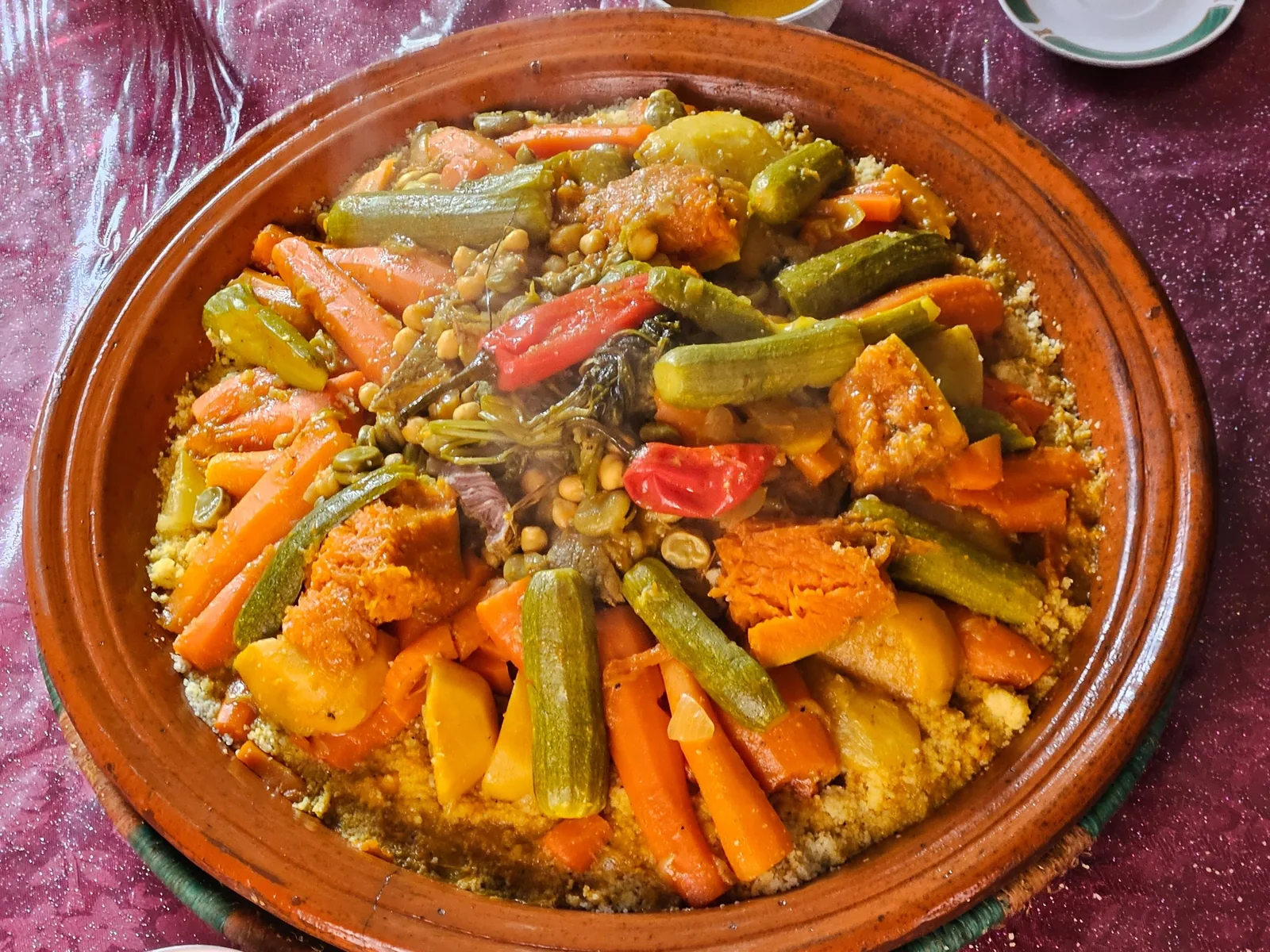
Order seven-vegetable couscous for the variety on top. Carrots, squash, cabbage, turnips and zucchini are common, but the mix changes with the season. The broth, sometimes served separately, moistens the grains. Meat may sit under the vegetables. For a sweet-savory plate, ask for tfaya, the cinnamon-scented onion and raisin topping.
Couscous is shared across North Africa. In 2020, UNESCO recognized the skills and traditions around making and eating it through a joint nomination by Algeria, Mauritania, Morocco and Tunisia. UNESCO’s couscous inscription.
Pastilla in Fes and the savory seafood version
Pastilla, also written bastilla or b’stilla, has thin layers of pastry called warqa. In Fes, ask about the poultry version. Beneath the cinnamon and powdered sugar are savory chicken or pigeon, egg and almonds. Break through the top with your fork to get the crisp pastry and filling in the same bite.
Seafood pastilla has a different flavor. Fish, prawns or calamari can be folded together with seasoned vermicelli. It is usually served savory, sometimes with lemon. Ask which seafood is inside and whether the pie is individual or made to share. A large pie for a riad dinner may need to be ordered ahead. See how seafood bastilla is prepared.
Harira, bissara and the soups to order
Harira usually starts with tomato, lentils, chickpeas and fresh herbs. Some cooks add beef or lamb, others use celery, small noodles or rice. A flour-and-water mixture can give the broth its characteristic silky body. A squeeze of lemon at the table brightens a rich bowl.
During Ramadan, harira is closely associated with ftour, the sunset meal that breaks the fast. Dates and a honeyed chebakia make an interesting sweet counterpoint to the savory soup. If you want to join a riad’s ftour, reserve ahead and confirm the serving time for that day. What to expect at meals during Ramadan.
Bissara and other pulse soups
Bissara is thicker and plainer than harira. Dried fava beans or split peas are cooked down to a purée and finished with olive oil and cumin. In the north, it makes a warming breakfast with bread. A soup described simply as chickpea soup can be quite different from either dish, so ask about the base before you order.
Rfissa, Marrakech tanjia and roast lamb
Rfissa with chicken, lentils and fenugreek
Instead of couscous grains, rfissa uses torn sheets of trid or msemen. A hot broth flavored with fenugreek soaks into the bread beneath the chicken and lentils. It is a generous dish for a family table. If you especially want to taste it, ask a guesthouse in advance. It takes more preparation than an everyday grill order.
Tanjia Marrakchia
In Marrakech, tanjia means meat slow-cooked in a tall earthenware jar. The traditional cooking place is the low heat of the embers beside a hammam furnace. The meat comes out tender, often with garlic, cumin and preserved lemon. It is an especially good lunch to split with someone who wants to try mechoui too. How a Moroccan hammam works.
Mechoui and meat sold by weight
Mechoui is slow-roasted lamb. At a specialist counter, the seller may cut the portion from a larger roast and offer salt and cumin on the side. Agree on the weight and total first, then order bread and a small salad to go with it.
Moroccan breakfast and the breads that come with it
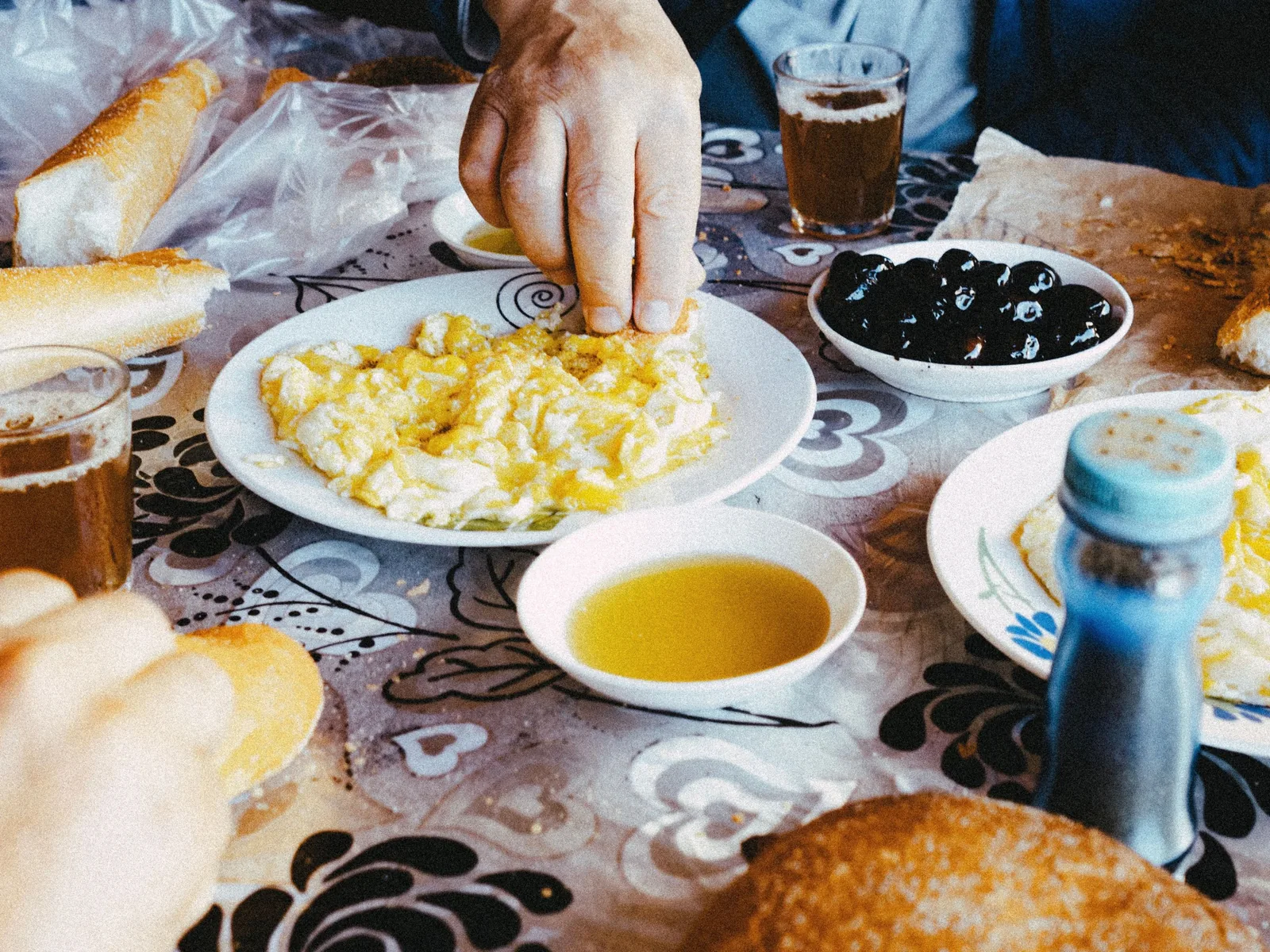
A breakfast in a family kitchen might be bread, olive oil and tea. A riad might add eggs, olives, cheese, jam, honey and several griddled breads. If you have an early departure, ask the night before what time the bread arrives and whether breakfast can be served before you leave. Compare a riad stay with a hotel stay.
Msemen and harcha
Msemen is folded into a square and cooked on a griddle. Pull apart a warm corner to see the thin layers. Try it plain first, then with honey or soft cheese. Harcha is usually round, made with semolina, and crumbles more like a little griddle cake. Both are good with mint tea.
Baghrir, the “thousand-hole” pancake
Baghrir cooks on one side. Tiny bubbles leave holes across the top, just right for catching warm honey and melted butter. If there are several breads at breakfast, try a small baghrir beside msemen. Their textures are entirely different.
Khobz, the round everyday loaf
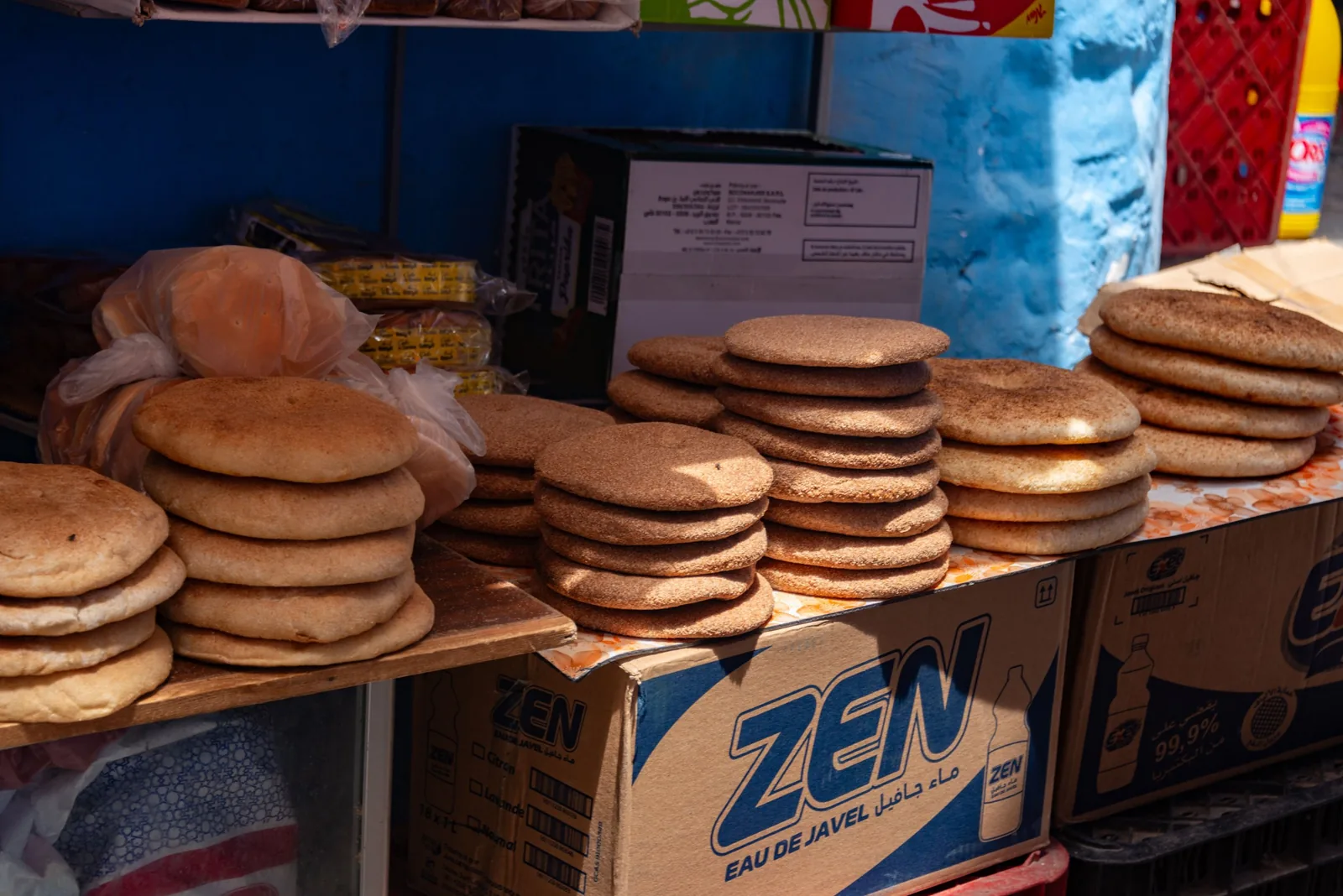
Khobz has a firmer crust and a soft middle you can pinch around a mouthful of tagine. At a market, loaves may be made with white flour, whole wheat or a mixture. At breakfast, try a corner with olive oil before reaching for the jam.
Street food, charcoal grills and Atlantic fish
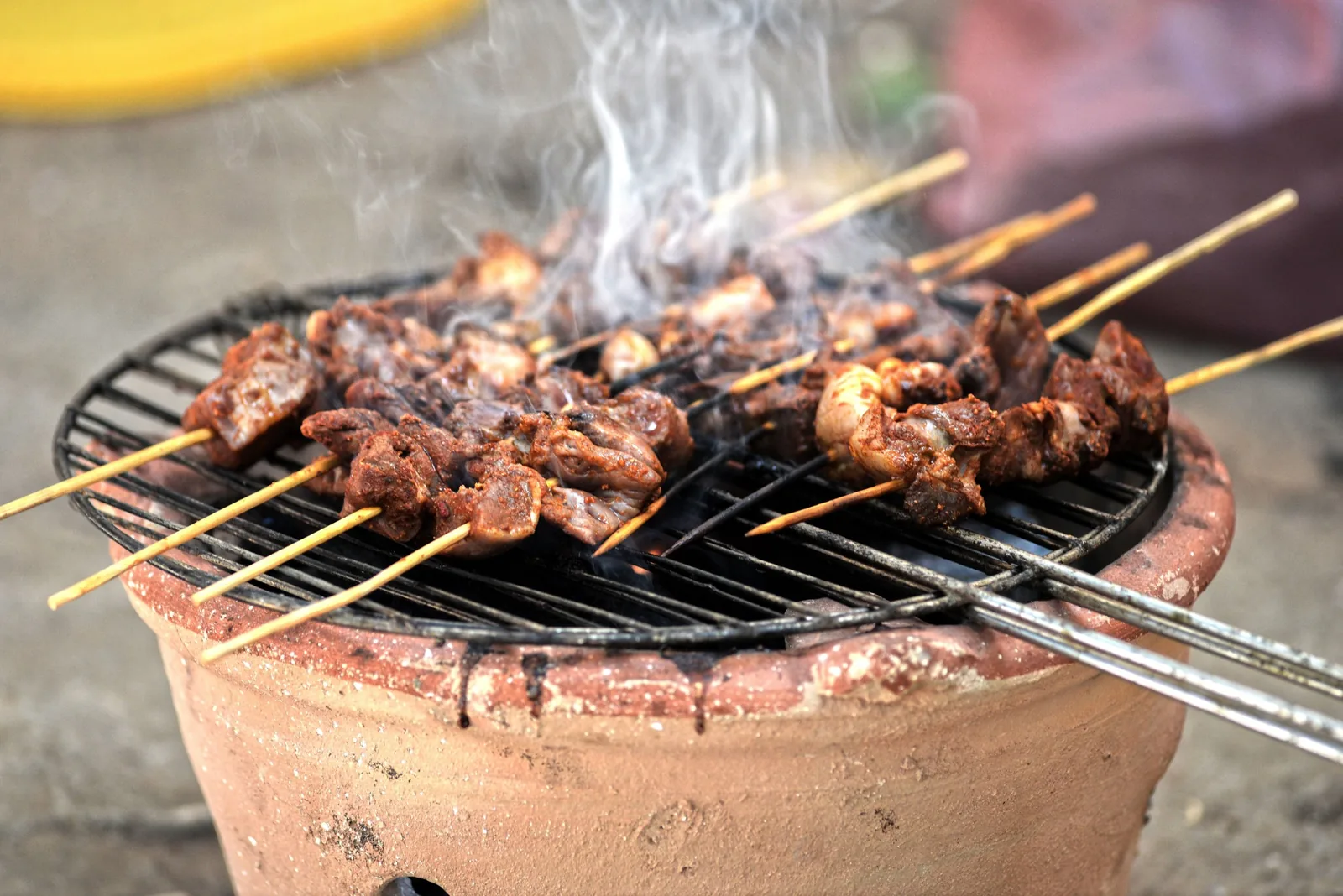
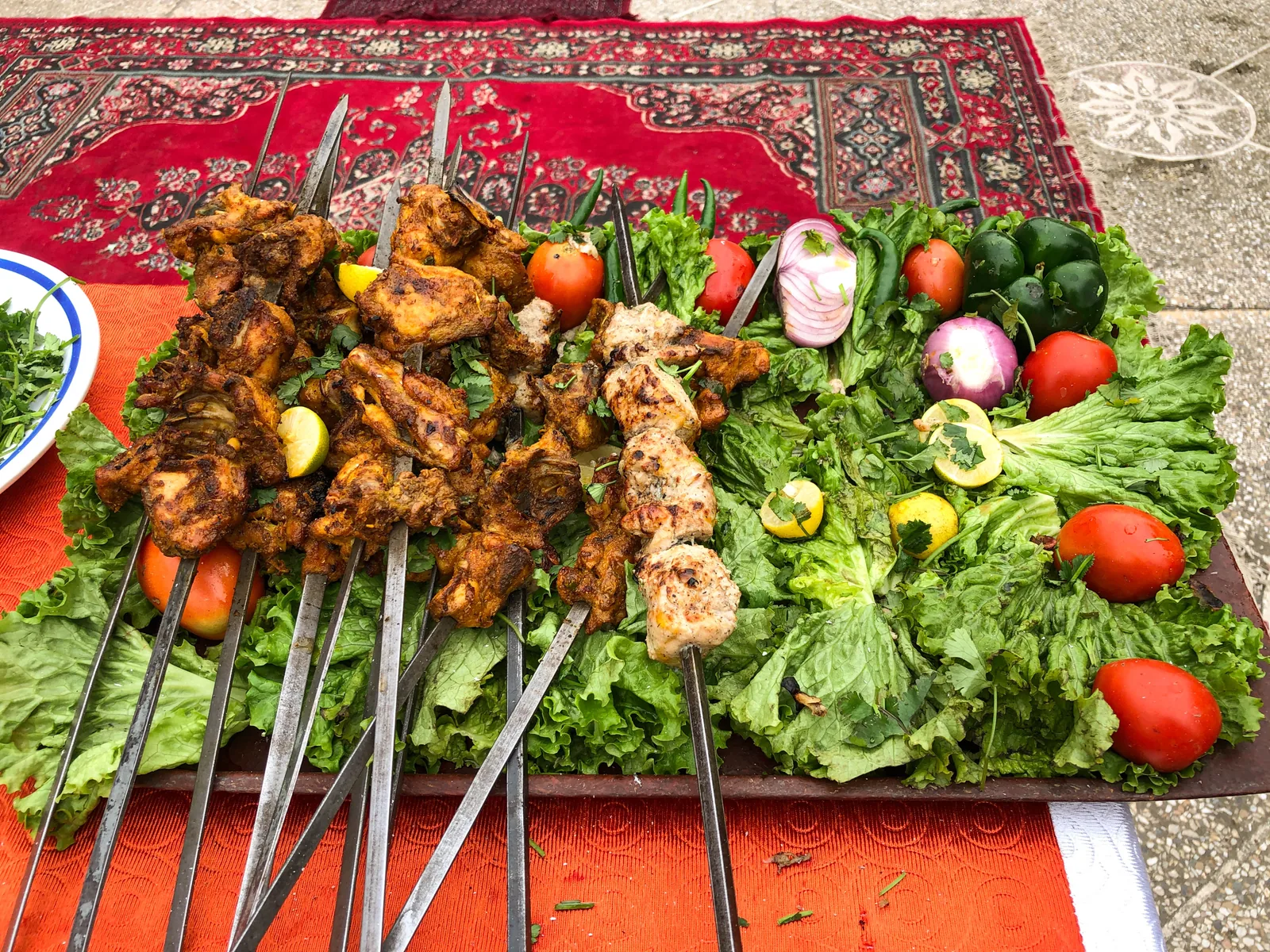
Brochettes and grilled kefta
Follow the smell of charcoal and you may find skewers of chicken, lamb, beef or kefta turning over a clay brazier. Read the price per skewer or per plate. At some counters the simplest order is a few skewers, bread and a tomato salad. Elsewhere the skewers come as a full meal with sides.
Maakouda, a potato fritter in bread
A crisp shell gives way to a soft potato center. Order a single fritter to taste it, or ask for a sandwich with salad and sauce. Check whether the red sauce is hot. You can always add more after the first bite.
Sfenj, fresh from the fryer
Sfenj is an irregular ring of yeasted dough with a crisp edge and a stretchy middle. Order one from a fresh batch and eat it warm with a small glass of tea. Plain or dusted with sugar, it makes a good afternoon snack between a long lunch and a late dinner.
Grilled sardines and fish with chermoula
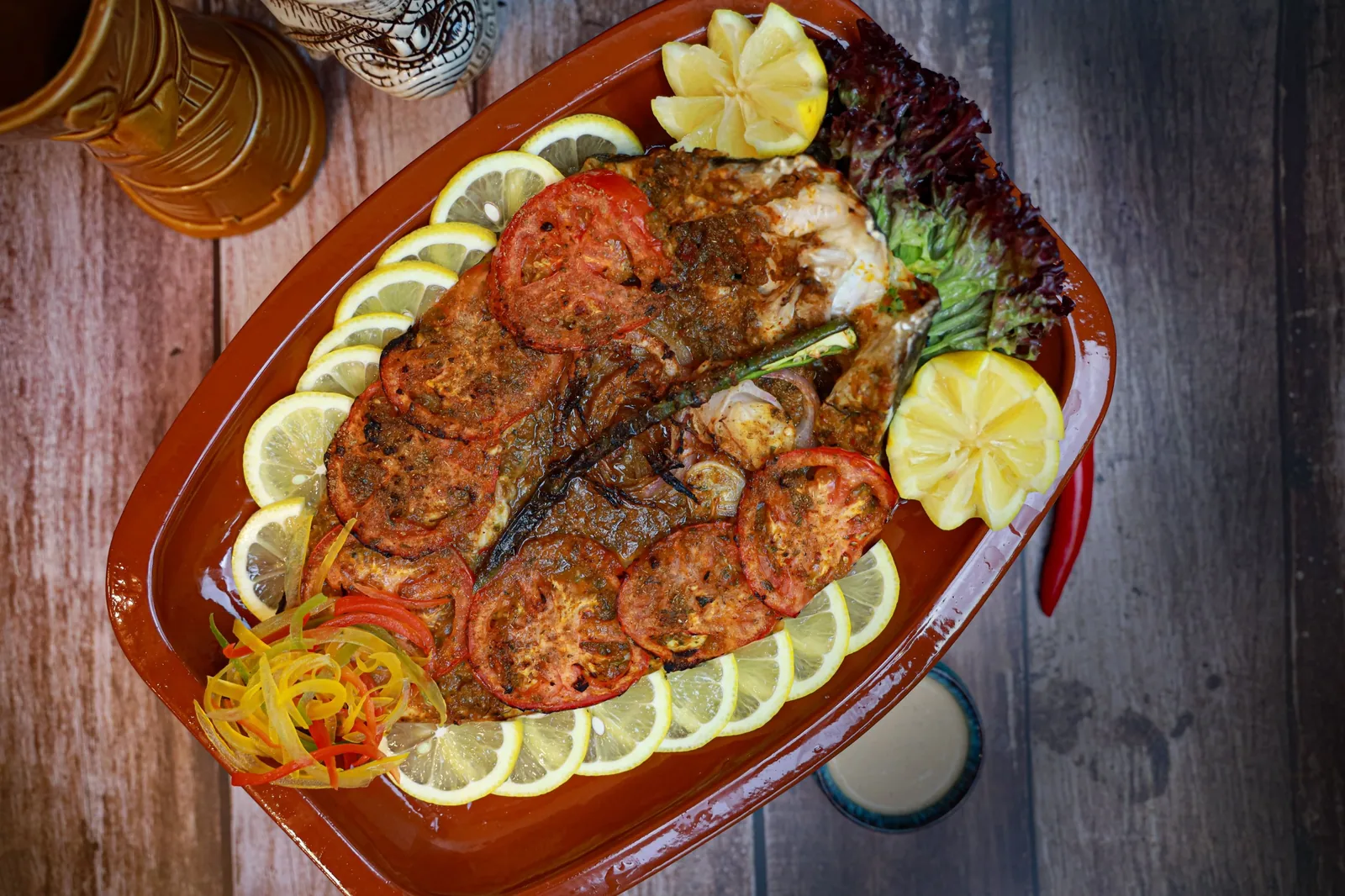
In an Atlantic town, sardines are a flavorful small fish to try over charcoal. You may also find sardines paired around a chermoula filling, then fried. For a whole fish, ask to see the fish and agree on the price, the cooking charge and the sides. Lemon and bread are often all you need. Plan a visit to Essaouira’s port and medina.
At a stall, choose food cooked through and served steaming hot. If the water used to wash fruit or make ice is uncertain, choose fruit you peel yourself and drinks from sealed containers. See the CDC’s food and water advice for travelers.
Vegetable starters, from zaalouk to taktouka
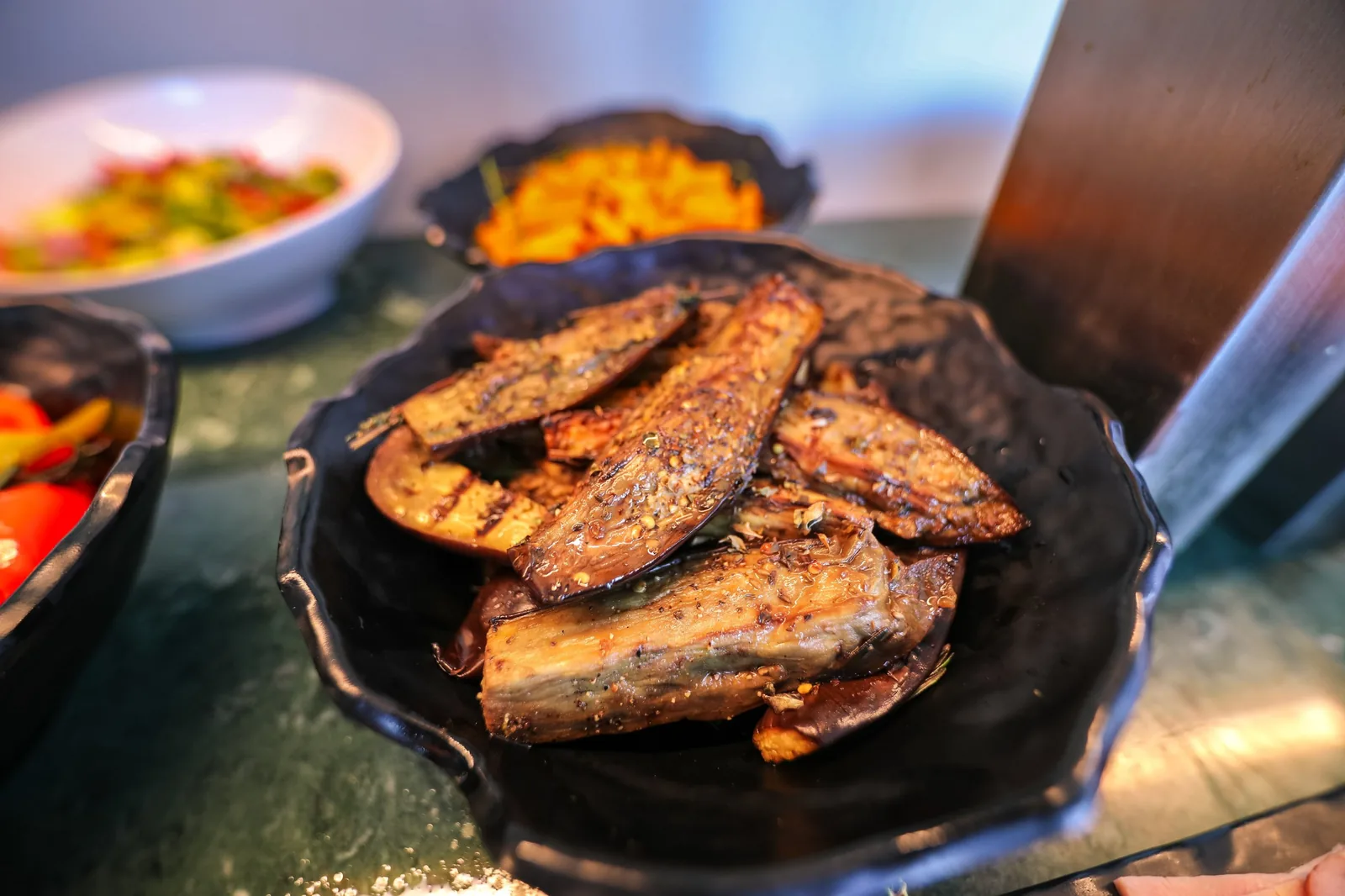
A plate of Moroccan salads often brings several small dishes at once, some cooked and some raw. Zaalouk is soft aubergine or eggplant with tomato, garlic and olive oil. Taktouka pairs sweet peppers with tomato. A carrot salad might taste of cumin, lemon and fresh herbs. Ask which salads are in the day’s assortment before ordering extras.
For a vegetarian lunch, share two or three salads, order a bowl of lentils or white beans, and add bread. If you want to cook one at home, the simple carrot salad below works with ingredients found in most kitchens.
Moroccan desserts, honey pastries and savory briouats
Briouats and filled pastries
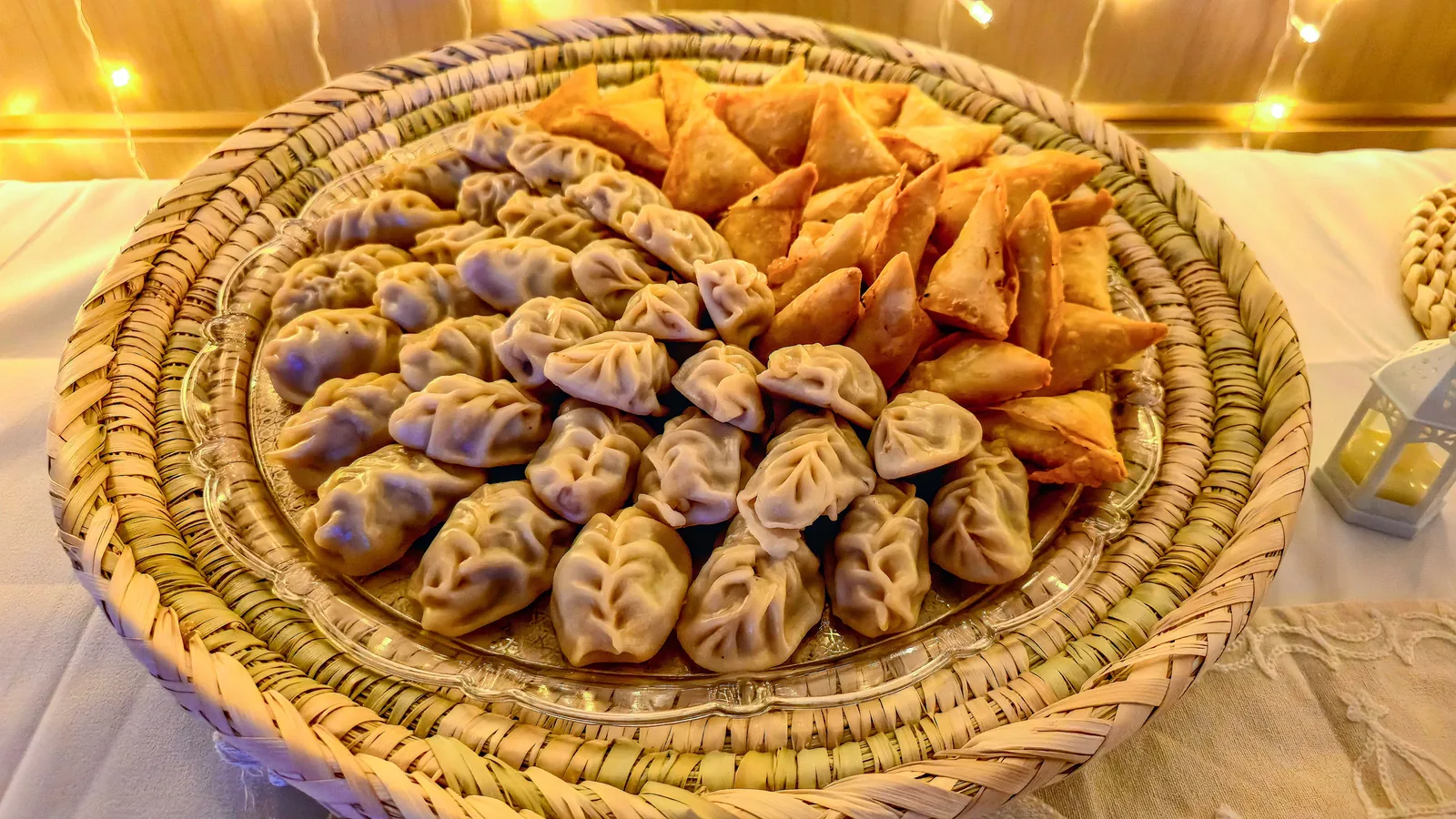
A briouat is a small, crisp parcel of pastry. Savory versions can contain meat, cheese or vegetables. Sweet almond briouats are dipped in honey. A triangular pastry on a mixed tray can be either, so point to the one you want and ask what is inside. At a sweets counter, ask whether the price is by the piece or by weight.
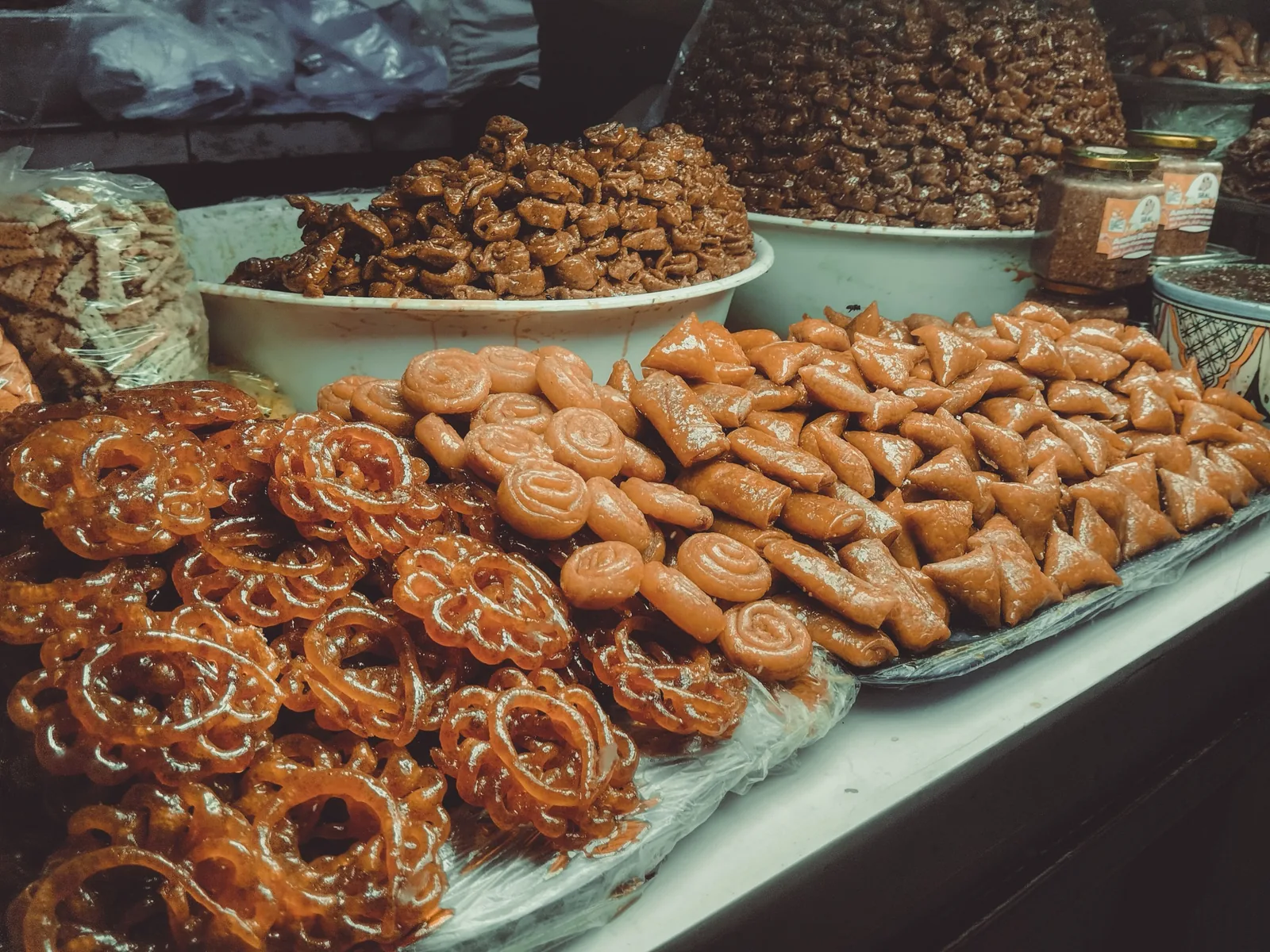
Chebakia and gazelle horns
Chebakia is folded, fried and dipped in honey, then scattered with sesame. The folds hold syrup, so one small piece goes a long way alongside harira. For another texture, try kaab el ghazal, or gazelle horns. A thin pastry encloses crescent-shaped almond paste scented with orange blossom water. Fresh orange slices dusted with cinnamon are a lighter finish to a meal.
Moroccan drinks to order in a café or riad
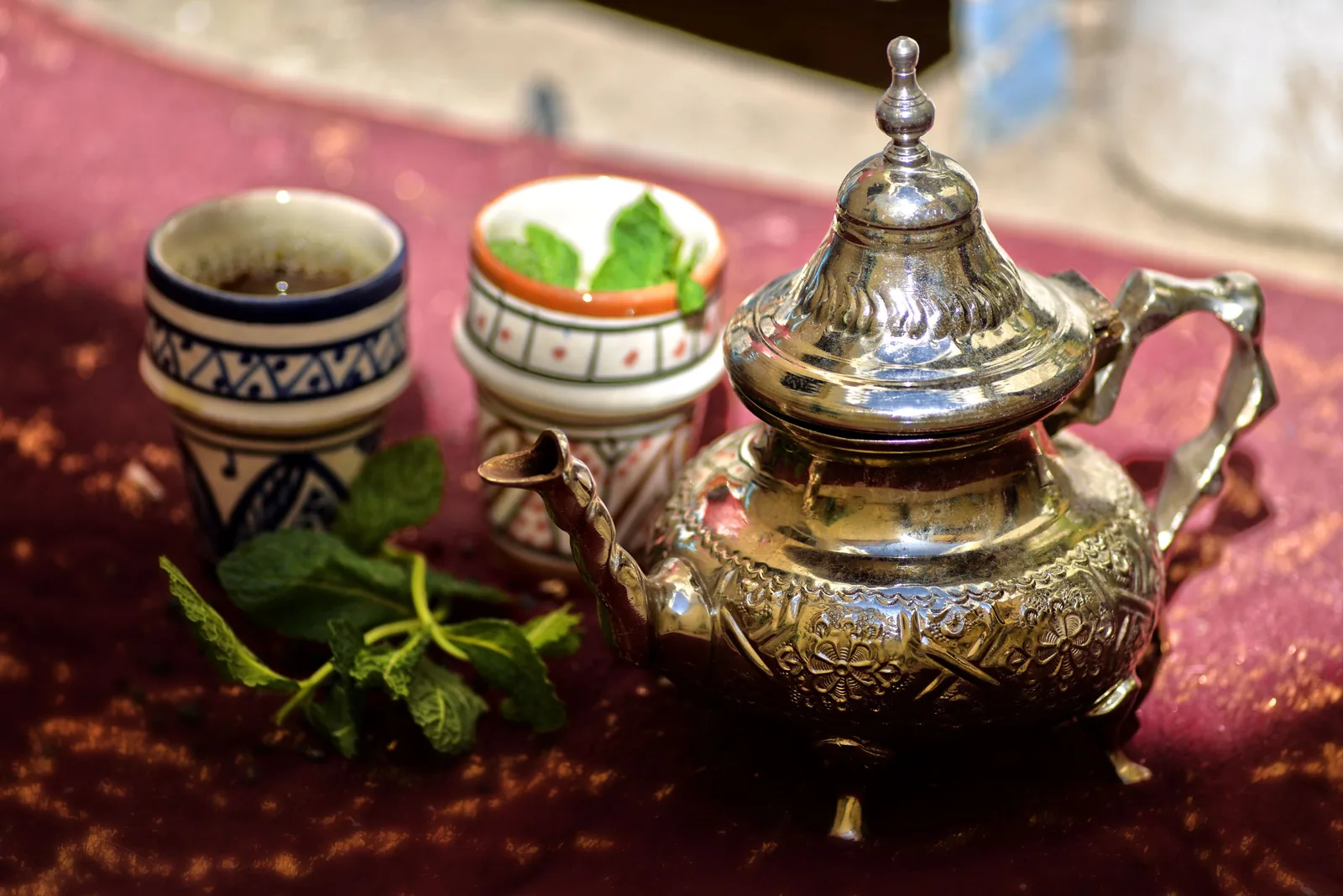
Mint tea, or atay, is the drink most closely associated with Moroccan hospitality. Green tea provides the base and fresh mint gives the familiar aroma. Sugar often goes into the pot. If you prefer it without, ask for atay bla skkar before brewing. If you enjoy watching the pour, listen for the first splash as the tea hits the little glass.
| What to order | What you will get | When to try it |
|---|---|---|
| Atay b naanaa | Green tea with mint, commonly sweetened. | With almond pastries, after lunch or when your host offers a pot. |
| Nous-nous | A small café glass of coffee with hot milk. The name means “half-half.” | At breakfast or for a shorter, milkier alternative to black coffee. |
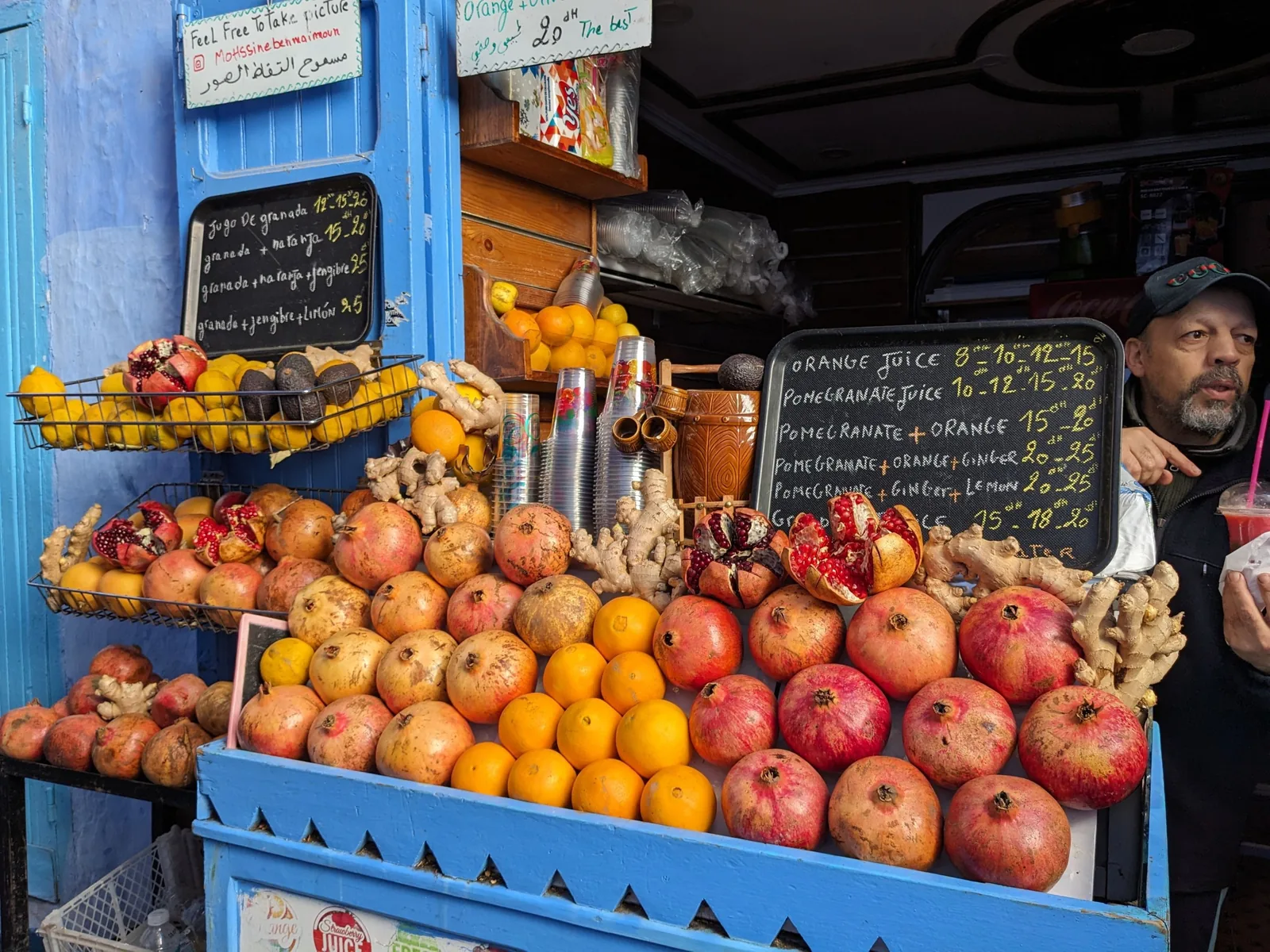
| Fresh orange or pomegranate juice | Orange is familiar on café menus. Pomegranate is especially worth asking about in season. | At a juice counter. Ask whether water, sugar or ice is added. |
| Avocado shake | A thick, mild drink often blended with milk and sugar. Some versions add nuts or dates. | As a filling afternoon snack. Ask what goes into the blender. |
| Lben and raib | Lben is tangy cultured buttermilk. Raib is a set or spoonable cultured milk, similar to yogurt. | Try pasteurized lben alongside couscous or ask for raib at a dairy shop. |
| Water and soft drinks | Still or sparkling bottled water, plus familiar or local fruit-flavored sodas. | Water is an easy pairing for a salty chicken tagine or a rich pastilla. |
What about wine or beer with dinner?
Many cafés and riads serve only nonalcoholic drinks. If you want Moroccan wine or beer, choose a licensed restaurant or bar and check its menu before booking. For a nonalcoholic pairing, sparkling water suits a rich lamb dish, lben goes well with couscous, and a small mint tea works with almond pastries. Current travel guidance on alcohol in Morocco.
What to eat in Marrakech, Fes, Casablanca and beyond
Use your itinerary to vary your meals. The best opportunity for one dish may be a Friday lunch, a morning at a northern market or the day your route reaches the coast.
| Stop | A local order to try | How to fit it into your day |
|---|---|---|
| Marrakech | Tanjia or roast lamb at lunch, then harira or brochettes around the medina. | Ask the counter if the meat is priced by portion or weight. Save a rooftop tea for afterwards. |
| Fes | Poultry pastilla, cooked salads and gazelle horns. | Reserve a pastilla at your riad before a medina walk. Buy a small pastry assortment so you can try more than one filling. |
| Casablanca and Rabat | Atlantic fish in Casablanca or a seafood lunch on a day in Rabat. | Ask what is grilled and what is fried. On Friday, see whether the kitchen also serves couscous. |
| Essaouira | Grilled sardines or the day’s whole fish. | Allow time for lunch by the port. If your base is inland, the Essaouira day trip from Marrakech explains the route. |
| Chefchaouen | Bissara, fresh northern goat cheese and bread. | Try a small bowl of soup on a cool morning, then look for fruit or fresh juice on your walk through the medina. |
| Imlil and the High Atlas | A vegetable or meat tagine, shared with bread. | Ask the guesthouse what it will have ready after your walk. The choice may depend on what reached the village market. |
| Rissani, Erfoud and Merzouga | Medfouna, a round stuffed bread from the Tafilalet area, and dates from the oasis. | In Rissani, ask a bakery when the next medfouna will be ready and what is inside. A meat-and-onion filling is common. Save camp dinner for the evening. |
On our four-day route from Marrakech to Fes, tell us before departure if a Rissani lunch matters to you so we can discuss timing. For several cities in one trip, the 10-day itinerary from Casablanca shows where the imperial cities and the Sahara fit together.
Vegetarian, vegan and gluten-free choices
The same dish name can mean different ingredients in two kitchens. Explain what you eat before the cook starts. For a set dinner in a desert camp or small guesthouse, send the request when booking and confirm it with the host on arrival.
| If you need | A starting point to discuss | Ask the kitchen about |
|---|---|---|
| Vegetarian | Zaalouk, taktouka, lentils, bissara or a vegetable tagine. | Meat broth in couscous, beans or soup. Ask whether chicken or meat was cooked in the same pot. |
| Vegan | Vegetables cooked in olive oil, beans and bread with confirmed ingredients. | Smen or butter, dairy, eggs and honey, including glazes and the fat used for flatbreads. |
| Gluten-free | Plain grilled fish, meat or vegetables if the kitchen can prepare them suitably. | Wheat semolina in couscous, flour or noodles in harira, and bread, pastry, sauces and shared surfaces. |
| Nut or sesame allergy | A dish whose ingredients and preparation the cook can explain directly. | Almonds in pastilla, amlou and sweet tagines, sesame on breads or pastries, and shared equipment. |
For a food allergy or celiac disease, bring an accurately translated card and ask about ingredients and cross-contact. If the kitchen cannot confirm how a dish was prepared, choose another option. Our Morocco language guide explains where Darija, French and other languages are commonly used.
How to order and share a meal
When a host brings a shared tagine, wash your hands and take a piece of bread. Many people use the right hand to scoop from the part of the dish closest to them. Follow your host’s lead. A spoon is practical for couscous or soup, and you can ask for cutlery.
| Useful Darija | Meaning | When it helps |
|---|---|---|
| Bsh-hal? | How much? | Before ordering skewers, fish or pastries by weight. |
| Bla skkar, afak. | Without sugar, please. | Before the teapot or fruit shake is prepared. |
| Bla lham, afak. | Without meat, please. | A first step for a vegetarian request. Ask separately about broth, poultry and fish. |
| Shukran. | Thank you. | When the tea is poured or the meal is served. |
What meals cost and when to book
The same dish can have quite different prices a short ride apart. These are published à la carte examples from two Marrakech restaurants, checked on 12 November 2026. Prices are in Moroccan dirhams (MAD). They are useful for comparing venues. A roadside grill, street stall or camp set dinner will have its own prices.
| Restaurant and setting | Published menu item | Price |
|---|---|---|
| Pensée, Guéliz | Harira with accompaniments | 40 MAD |
| Pensée, Guéliz | Kefta tagine with eggs | 80 MAD |
| Pensée, Guéliz | Chicken tagine with Meslalla olives | 85 MAD |
| Terrasse des Épices, medina rooftop | Chicken pastilla with honey and almonds | 180 MAD |
| Terrasse des Épices, medina rooftop | Chicken tagine with preserved lemon | 230 MAD |
Confirm the current price and whether bread, sides or drinks are included. For a shared fish or roast, ask for the final total before the kitchen starts. For a large pastilla, Friday couscous, a cooking class or a riad dinner, it is worth checking ahead. Pensée menu · Terrasse des Épices menu · Moroccan dirhams and paying locally.
A Moroccan recipe to try at home and what to learn in a cooking class
Easy Moroccan carrot salad with cumin and lemon
For two small starter portions, use 3 medium carrots, 1 tablespoon olive oil, ½ teaspoon ground cumin, 1 tablespoon lemon juice, a small handful of chopped parsley or coriander, and salt to taste. Allow about 25 minutes.
- Peel the carrots, cut them into even rounds and simmer in lightly salted water until a knife slips through, about 8–12 minutes depending on thickness.
- Drain well. While still warm, toss the carrots with olive oil, cumin and half the lemon juice so the dressing coats every slice.
- Fold in the herbs, taste, then add the remaining lemon juice or salt as you like. Serve warm or at room temperature with bread.
For a second dish, try Taste of Maroc’s zaalouk recipe. For a main, its chicken with preserved lemon and olives explains how the onions cook down into daghmira. These make a practical starting menu if you want to cook Moroccan dishes after your trip.
Choosing a cooking class or food walk
Choose a class if you want to learn a technique, such as turning msemen on a griddle or folding pastilla. Choose a food walk if you want to taste several specialties across the medina. Ask which dishes you will prepare yourself, whether a market visit and meal are included, the language of instruction and how the kitchen handles dietary needs. Ask our team about adding a cooking experience to your itinerary.
Questions travelers ask about eating in Morocco
What food is Morocco famous for?
Start with chicken tagine with preserved lemon and olives, Friday couscous, pastilla and harira. For a regional specialty, try tanjia in Marrakech, grilled sardines in Essaouira or medfouna in Rissani.
What is a typical meal in Morocco?
Lunch might start with khobz and small salads, followed by a shared tagine, beans or couscous. Fruit and mint tea can finish the meal. A weekday supper may be much simpler, such as soup, eggs or whatever was cooked earlier.
Is Moroccan cuisine Mediterranean or Middle Eastern?
It is North African, specifically Maghrebi. Olive oil, citrus, grains and seafood give it much in common with Mediterranean cuisines. Amazigh, Arab-Andalusian and Jewish traditions also shape the breads, seasonings and dishes you encounter.
What is the national dish, and can I get it outside Friday lunch?
Couscous is widely described as Morocco’s national dish. Friday lunch is the traditional family occasion. Some restaurants serve it daily and others steam just one Friday batch. Ask when it will be ready if you want to eat it freshly made.
Is the food spicy, and what should I order if I dislike chili?
Try chicken with preserved lemon, seven-vegetable couscous or plain grilled fish. Cumin, ginger and cinnamon add fragrance without necessarily adding chili heat. Ask for hot sauce on the side and check the marinade on skewers.
What is the difference between tagine and tanjia?
A tagine has a shallow base and a conical lid and can contain chicken, lamb, fish or vegetables. Tanjia is a Marrakech specialty, usually meat cooked for hours in a tall clay jar. A menu that offers both is giving you two different dishes.
Is pastilla sweet or savory?
Chicken or pigeon pastilla combines savory meat and egg with almonds and a cinnamon-sugar finish. Seafood pastilla usually contains a savory mix of fish or shellfish and fine noodles. Ask about fillings before ordering, particularly for an allergy.
What do Moroccans eat for breakfast?
Khobz with olive oil, eggs, olives, tea or coffee is a good starting point. A riad may also serve flaky msemen, honeycomb-like baghrir or semolina harcha with honey, butter or jam. Ask which breads are coming fresh from the griddle.
Which street foods are good for a first visit?
Try a fresh sfenj with tea, a hot maakouda potato sandwich or brochettes straight from the charcoal grill. In a coastal town, ask about grilled sardines. Check whether the price is per piece, plate or weight before ordering.
What can a vegetarian or vegan order?
Try zaalouk, taktouka, lentils, bissara or a vegetable tagine. Ask whether broth or cooking fat contains meat. For a vegan meal also check for smen, butter, milk, egg and honey, particularly in breads, soups and pastries.
Is couscous gluten-free, and what about harira?
Traditional wheat semolina couscous contains gluten. Harira may have wheat flour as a thickener or wheat noodles. For celiac disease, ask about the full recipe and cross-contact, including for a dish such as grilled fish that appears simple.
Which dishes commonly contain nuts or sesame?
Poultry pastilla, lamb with prunes, gazelle horns and sweet briouats often contain almonds. Chebakia typically contains sesame, and seeds can also be scattered over bread. Ask the kitchen about fillings, garnishes and shared equipment.
Is all meat served in Morocco halal?
Halal meat is widely available. If you require certification or have specific preparation requirements, ask the restaurant directly about its supplier, sauces and kitchen practices before ordering.
What do people eat to break the fast during Ramadan?
A Moroccan ftour often opens with dates and water or milk. Harira, chebakia, eggs and breads may be on the table too. Households vary. To try a riad’s ftour, reserve ahead and check the local sunset serving time.
Which traditional Moroccan drinks are nonalcoholic?
Mint tea is the classic welcome. Orange juice, pomegranate juice in season, coffee with milk and tangy lben are other options. For a thicker, sweeter drink, ask for an avocado shake and check whether it includes milk, nuts or added sugar.
What is Morocco’s national drink, and can I order it without sugar?
Mint tea is commonly called Morocco’s national drink. Ask for atay bla skkar before brewing. If the current pot is already sweetened, ask whether the café can make a small fresh one.
Can I order alcohol with dinner?
Licensed restaurants and bars may serve Moroccan wine or beer. Check the restaurant’s drinks menu in advance, especially when booking a riad dinner. Many places offer tea, juices and soft drinks only.
How much does a restaurant meal cost?
For a Marrakech comparison, Pensée lists harira at 40 MAD and chicken tagine at 85 MAD. Terrasse des Épices lists a preserved-lemon chicken tagine at 230 MAD. These are menu examples checked on 12 November 2026. Confirm current prices, drinks and sides when ordering.
What should I look for when choosing a food stall?
Choose food cooked through and served steaming hot. Avoid items that have been sitting lukewarm. If the water source is uncertain, choose a sealed drink, skip the ice and peel fruit yourself. A long queue tells you little about water or food handling.
Which Moroccan recipe is easiest to start with at home?
Start with the cooked carrot salad in this guide. You need carrots, olive oil, cumin, lemon, fresh herbs and salt. It takes about 25 minutes and you can make it in a regular saucepan. Zaalouk is another good vegetable dish to learn next.
Sources and menu checks
- Moroccan National Tourist Office · food and drinks
- UNESCO · the shared traditions of couscous
- Visit Tafilalet · medfouna and cooking in the Rissani area
- Celiac Disease Foundation · foods that contain gluten
- Pensée · current Marrakech menu
- Terrasse des Épices · current Marrakech menu
- CDC Yellow Book · food and water precautions
- UK travel advice · alcohol in Morocco
Plan a trip around the meals you want to try
Tell our team where you are starting, whether a Friday lunch fits your dates and which dish you would love to learn to cook. We can discuss how to fit it into the driving days and what to request from your riad or desert camp.