
Moroccan Jews:
Heritage Sites & Private Tours in Morocco
Plan a journey through Jewish heritage in Marrakech, Fes, Casablanca and Essaouira, with time for the places that matter to you.
Plan my private heritage journey →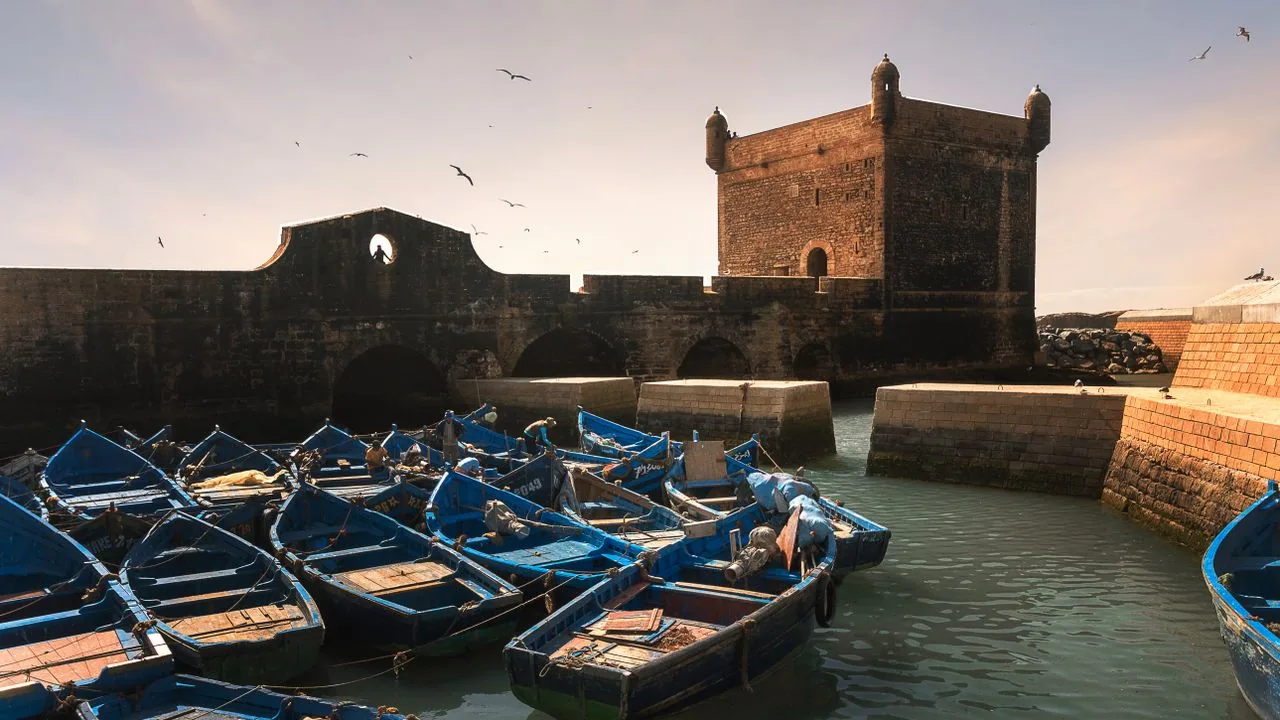
A closer look at your journey
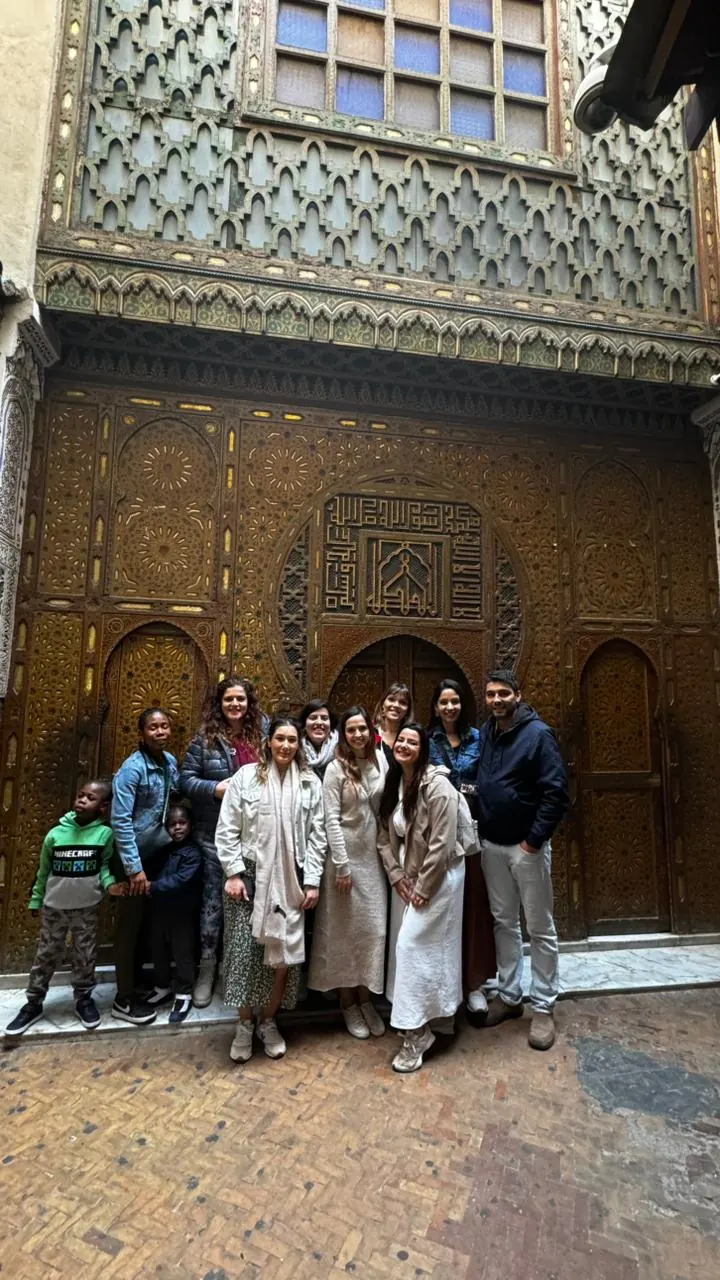
City scenes and travelers · Select a photo to enlarge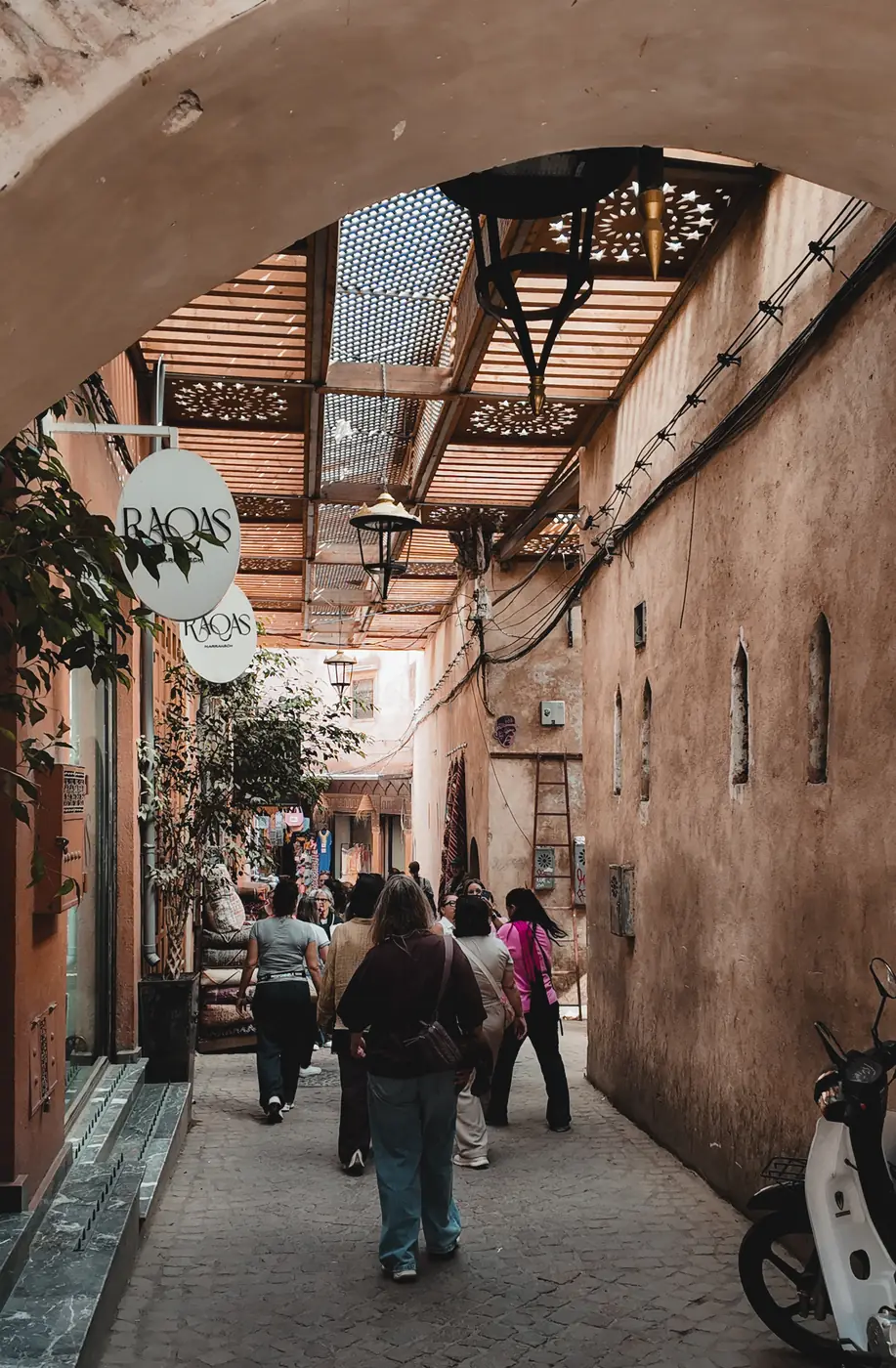
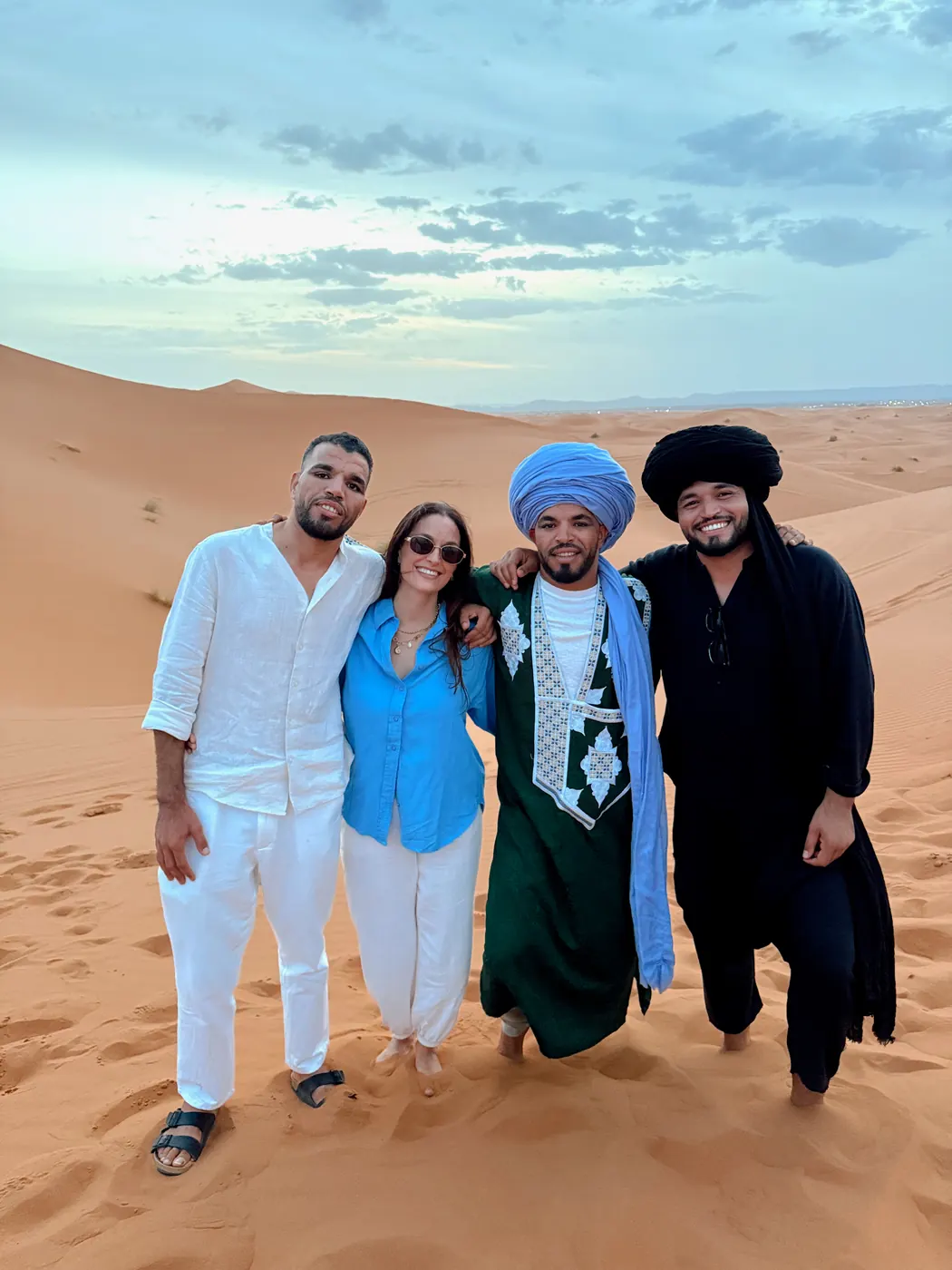
Moroccan Jews are a historic part of Morocco’s society, with heritage found in synagogues, former Jewish quarters, museums and family traditions. A private Jewish heritage journey can connect Marrakech, Fes, Casablanca and Essaouira, with visits planned around your interests, religious requirements and the access arrangements of each site.
Complete Morocco creates private, tailor-made journeys through Morocco’s cities, mountains and Sahara. Operated by Pro Morocco Tours SARL, a registered Moroccan tour operator based near Merzouga, we help you turn a broad interest in Jewish Morocco into a workable itinerary. Begin with the places that matter to you, then decide how much time to give each one.
Key takeaways for your Jewish heritage journey
- Marrakech offers a focused introduction through its mellah and Slat Al Azama Synagogue.
- Fes, Casablanca and Essaouira add different perspectives; choose your route before booking flights.
- Historic synagogues, museums and active places of worship have different visitor arrangements.
- Discuss kosher meals, Shabbat observance, walking distances and family research before accepting a quote.
- A standard sightseeing tour does not automatically include specialist heritage interpretation or religious arrangements.
Slat Al Azama Synagogue: Planning a Marrakech Visit
[CHECK: no matching permitted image of Slat Al Azama Synagogue in the supplied library.]
Slat Al Azama Synagogue, also written Salat Al Azama or Lazama, is in Marrakech’s historic mellah. Its courtyard setting provides a useful starting point for a visit focused on Moroccan Jews and their place in the city. Build the stop into a guided neighborhood visit so the surrounding streets have context beyond the synagogue doorway.
For first-time visitors, we recommend exploring Marrakech’s medina with a licensed local guide. Complete Morocco is a registered operator; the local guide’s role is to interpret the city and help manage the walking route. Tell us specifically that the heritage of Moroccan Jews is a priority so we can check the appropriate guiding arrangements.
What to confirm before visiting the synagogue
Ask whether your proposed visit includes entry or only an exterior stop. Check visitor access, any admission charge, photography rules and whether religious observances affect the date. A place accepting sightseeing visitors does not necessarily offer the same arrangements for attending a service.
[CHECK: confirm current Slat Al Azama visitor access, admission arrangements and photography rules for the travel date.]
Let your guide know whether your interest is architecture, Sephardic history, religious practice or family connections. These are different conversations, and a useful visit leaves space for questions. If you need a specialist discussion or community contact, request it before booking so availability can be checked.
Allow flexibility around the visit instead of building your entire day around an unconfirmed opening. You can combine the neighborhood with other Marrakech sights, but a hurried sequence of entrances is unlikely to give you the thoughtful heritage experience you are seeking.
Ask us to include Slat Al Azama in your proposed Marrakech day and specify the access arrangements in your written itinerary.
Marrakech Jewish Quarter: Exploring the Mellah with a Guide
The Marrakech Jewish quarter is usually called the mellah. Exploring it gives you a geographical setting for the history of Moroccan Jews: streets, homes and places of worship are part of a neighborhood, not isolated attractions. Keep in mind that a historic Jewish quarter is not a description of the religion of everyone living there today.
Plan a route that distinguishes the mellah from the wider medina. A general market walk can be enjoyable, but it is not a substitute for an agreed Jewish heritage visit. Before confirming your private Marrakech sightseeing plans, identify which sites and subjects you want the guide to cover.
Combining the mellah with a wider Marrakech day
A neighborhood visit focused on Moroccan Jews can sit within a day that also covers palace architecture, traditional crafts and the city’s public spaces. Leave room for lunch, seating breaks and time to absorb what you have seen. Share any limits on stairs, prolonged standing or walking over uneven surfaces.
If Majorelle Garden and the YSL Museum are on your list, book their tickets online in advance through their official ticketing service. Coordinate the time slots with your guided day before purchasing. They are separate interests within a Marrakech stay, not Jewish heritage sites.
For travelers also considering the Sahara, our private seven-day Marrakech itinerary provides a city-and-desert starting point. Ask for a revised heritage-focused city day; the published itinerary should not be assumed to include every synagogue, museum or specialist arrangement discussed here.
Bring the guide a short priority list: a synagogue visit, an explanation of the mellah, a family address or a particular historical question. Choosing two or three priorities makes it easier to use the available time well and decide what belongs on a second day.
We can help you balance Jewish heritage interests with the rest of your Marrakech stay and confirm the proposed walking route before departure.
Jewish Heritage in Fes: A Different City Perspective
Fes adds another setting to a journey about Moroccan Jews. The mellah and the Ibn Danan Synagogue are relevant places to discuss when building the itinerary. The synagogue has been the subject of conservation work documented by the World Monuments Fund, making preservation itself a useful topic for your visit.
A visit focused on Moroccan Jews needs a different brief from a standard visit to Fes el-Bali. The latter does not automatically cover the Jewish quarter. Ask for both parts of the city to be identified clearly in your itinerary, with local transport where needed. Our Fes city travel guide can help you place the heritage visit within a broader stay.
Giving family-history visits enough time
If your family has connections to Fes, share the information you already have before requesting a route. Useful starting points include alternative spellings of a surname, an old neighborhood name, a photograph or a document you are comfortable sharing. An uncertain address should be treated as a research lead, not a guaranteed stop.
Research into Moroccan Jews and individual family histories is distinct from sightseeing. A guide may help interpret a location, but that does not establish access to private records, relatives or a former family home. Any archival assistance, translation or specialist research needs its own agreed scope.
Plan Fes medina sightseeing with a licensed local guide, particularly on a first visit. Explain whether you want a broad city introduction or a day centered on Jewish heritage. The choice affects the guide brief, pacing and how much time remains for other monuments.
Confirm entry arrangements for Ibn Danan and any cemetery visit before treating them as fixed inclusions. Religious sites may have caretakers, access procedures or conditions that differ from those at a conventional museum. [CHECK: confirm current Fes heritage-site access and any charges.]
We can build your Fes day around a clear heritage brief and check whether specialist assistance is available for your particular interests.
Turn your interests into a route with time for meaningful visits. Request your private heritage itinerary from Complete Morocco, or WhatsApp +212 6 81081602 with your dates, party size and priority cities.
Casablanca and Essaouira: Museums, Memory and Community
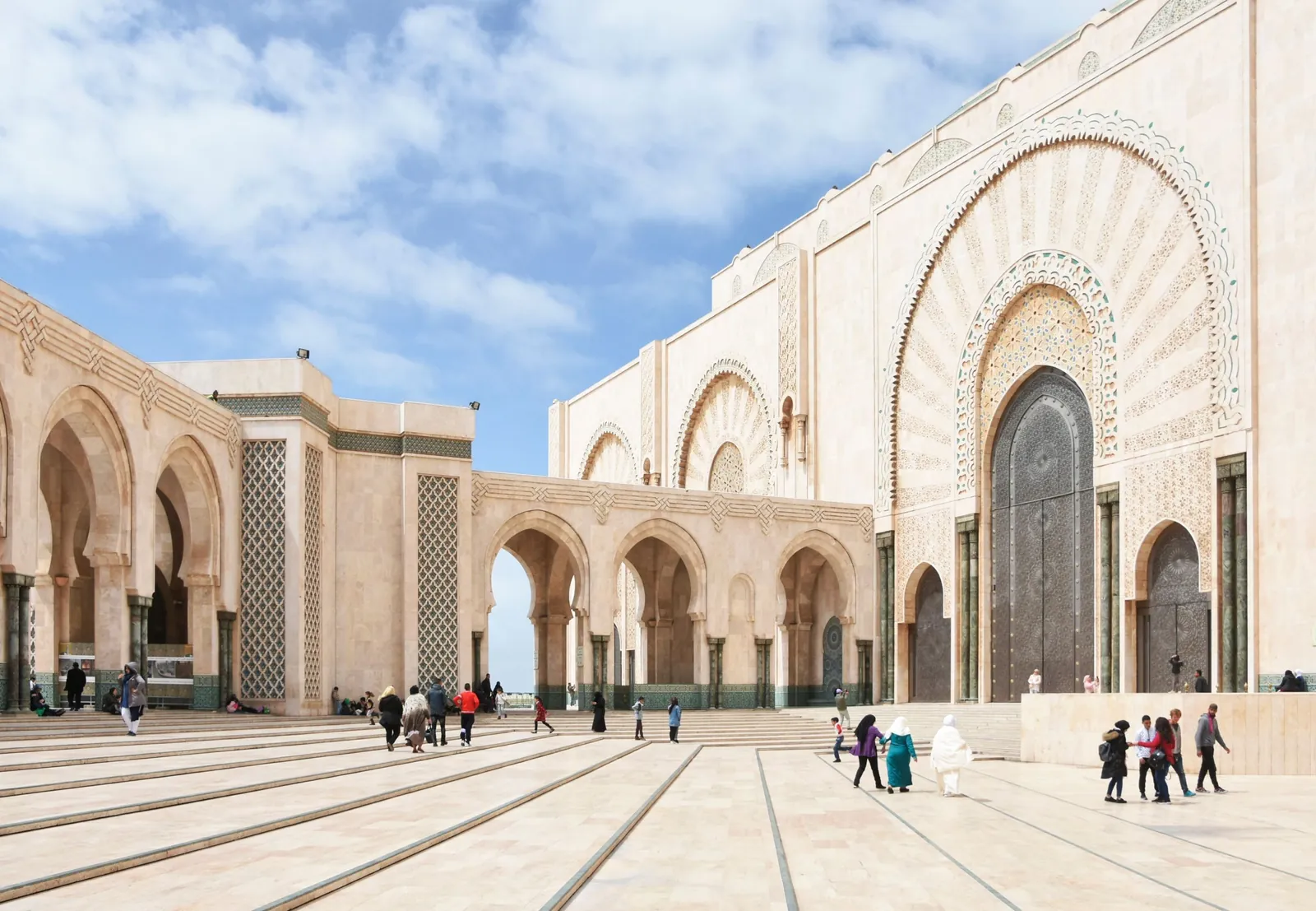
Casablanca and Essaouira offer different ways to understand Jewish Morocco. Casablanca is an important center of the country’s present-day Jewish community, while Essaouira provides a setting for exploring memory and the relationships between the city’s communities. Including both requires a route that allows time for travel as well as visits.
Museum of Moroccan Judaism in Casablanca
The Museum of Moroccan Judaism presents objects connected with religious practice and everyday life. Its collection information about Moroccan Jews includes ceremonial objects, clothing and jewelry. These can help make a heritage journey tangible, connecting ideas about community life with things people used, wore and preserved.
A museum visit and a visit to an active synagogue serve different purposes. If you hope to attend a service or meet a community representative, explain that separately. Such arrangements require permission and confirmation; purchasing a private sightseeing tour does not guarantee them.
[CHECK: confirm the museum’s current opening arrangements, admission charge and any guided-visit requirements.]
Bayt Dakira and Essaouira’s Jewish memory
Bayt Dakira, the House of Memory, is associated with the restored Simon Attias Synagogue in Essaouira. Its focus on the history of Moroccan Jews and Jewish-Muslim relationships makes it relevant to travelers interested in how a city remembers its communities. A visit can complement a broader walk through Essaouira’s old town.
Allow room for reflection instead of treating Essaouira only as a photo stop between longer drives. You may prefer an overnight stay if the coast is an important part of your trip. Ask which heritage sites are actually planned, what access has been checked and how much of the day is available on foot.
[CHECK: confirm Bayt Dakira access and the availability of any additional Essaouira Jewish heritage visits.]
For a wider journey, compare our private Morocco itinerary options and tell us which heritage stops you want added or given more time. A city list alone does not establish that a route includes specialist Jewish heritage touring.
We can help you choose whether Casablanca, Essaouira or both best fit your arrival plans, available nights and reasons for traveling.
Understanding Moroccan Jews Before Your Journey
[CHECK: no matching permitted historical or community-specific image in the supplied library.]
Moroccan Jews belong to Morocco’s history and its present. Avoid approaching the subject as if every community had the same language, livelihood or experience. A useful heritage trip makes space for regional differences and for the distinction between historic neighborhoods, surviving institutions and personal family memories.
History of Jews in Morocco
Jewish life in Morocco predates the arrival of Jewish refugees from the Iberian Peninsula. Those later arrivals contributed to communities that already had local roots. The World Jewish Congress describes a history of regional diversity, including different languages and strong local identities.
This background helps explain why a single label does not describe every family’s experience. Some visitors arrive with a Sephardic family connection; others are interested in a town, a craft tradition or a wider North African history. Let that interest guide the route without assuming that every stop will tell the same story.
The history of Moroccan Jews also includes discrimination, insecurity and emigration, alongside cultural exchange and periods of close connection. A visit focused on Moroccan Jews should allow discussion of difficult experiences. Avoid reducing Moroccan Jews to either an idealized story of uninterrupted harmony or a single account of departure.
Community life and respectful encounters
A heritage itinerary is not an invitation to approach residents as exhibits. Ask before taking photographs, respect a refusal and avoid expecting strangers to explain their identity or family history. A planned introduction should be based on the person’s consent and availability.
For family journeys, consider what you hope to bring home: a better understanding of a neighborhood, a record of a visit, or time together in a place connected with your relatives. These aims help your guide choose the pace and keep the trip personal without promising discoveries that cannot be guaranteed.
We can shape your itinerary around the questions you want to explore and identify any research or specialist interpretation that needs separate confirmation.
Planning a Private Jewish Heritage Tour of Morocco
Start with your main purpose, then select the route. A first introduction to Moroccan Jews, a family-roots journey and a trip organized around religious observance need different arrangements. Your preferred pace matters as much as the number of cities on the map.
How many days should you allow?
The suggestions below are planning options, not fixed packages or promised visit durations. Flight times, Shabbat observance, site access and your walking pace can change the best sequence. Use them to decide what to discuss in your private quote.
| Available time | Suggested focus | Main planning decision |
|---|---|---|
| One guided day | A focused Marrakech or Fes heritage introduction | Prioritize a few confirmed visits within one city. |
| 4–5 days | One principal city with a second base if practical | Protect sightseeing time from excessive transfers. |
| 7–9 days | A selected multi-city heritage route | Agree which cities deserve full guided days. |
| 10–14 days | A broader journey with coastal or Sahara time | Keep family research, religious needs and long drives realistic. |
Build arrival recovery time into the plan if you are flying from North America. A demanding walking visit straight after an overnight flight may leave you with less energy for the places you came to see. For multigenerational groups, discuss room locations, regular seating breaks and how much touring everyone wants each day.
Private touring versus a shared departure
A private booking allows your own party to agree its priorities, accommodation preferences and pace within the planned route. A shared departure generally brings together separate bookings around a common schedule. Compare the actual inclusions rather than assuming that either label guarantees a particular depth of heritage interpretation.
Ask who leads each city visit, which entries are included and whether the guide has been briefed on your interests. Driver-guide services between cities are not the same as a dedicated licensed local guide for a medina visit. Both roles should be clear in your quote.
Adding Merzouga without losing your heritage focus
A Sahara extension can work well when you have enough nights. Our private Marrakech to Fes crossing and five-day Fes to Marrakech tour are route ideas to discuss, not ready-made Jewish heritage packages. Dedicated city visits and religious arrangements must be agreed separately.
A longer desert plan can include a guided 4×4 excursion with a nomad-family visit subject to availability, Khamlia village and the seasonal Dayet Srji lake. The camel journey to camp is approximately one hour each way, depending on camp location and conditions. Tell us if you prefer a vehicle transfer.
Our camp arrangements use private tents with en-suite bathrooms and air conditioning; confirm the selected property and its facilities in your quote. Kosher catering is a separate requirement and should never be assumed from the accommodation category. The Merzouga desert travel guide provides context for this extension.
We can propose a heritage-first route and show what changes when you add the Sahara, including extra nights and the services requiring confirmation.
Plan one private journey around your heritage interests, accommodation preferences and travel pace. Ask Complete Morocco about private Sahara tour extensions, or WhatsApp +212 6 81081602 to discuss how a desert stay could fit your dates.
Kosher Meals, Shabbat and Choosing Your Accommodation
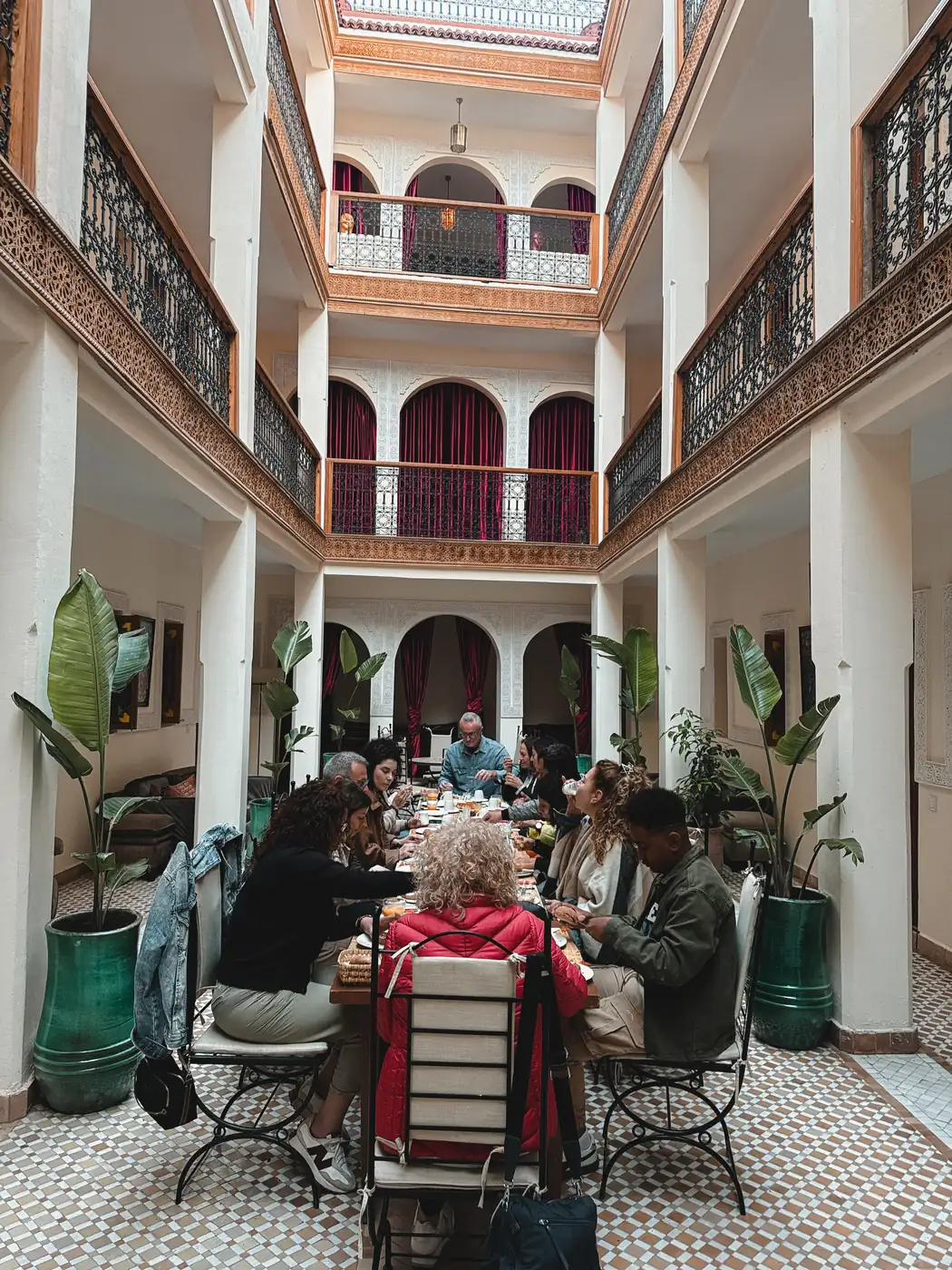
Explain your religious requirements before choosing hotels or confirming the route. “Kosher,” “vegetarian” and “no pork” are not interchangeable requests. State the certification or supervision you require, whether sealed meals are acceptable and whether you need a particular arrangement for Shabbat.
Dietary and religious planning can affect where you stay, the order of the cities and the feasibility of a rural extension. Put these details in writing early. It is easier to design around them than to alter a prepaid itinerary after the accommodation and transfers have been fixed.
Questions to ask before booking
- Who supplies the meals, and what evidence of certification or supervision is available?
- Which meals are included, and how are meals handled on driving days?
- Does your observance require walking access to a confirmed place of worship?
- Are room keys, lighting, lifts or other hotel facilities relevant to your stay?
- What arrangements apply if a planned supplier or visit becomes unavailable?
These questions should lead to specific answers for your party. A hotel’s ability to accommodate one traveler’s preferences does not establish that it meets another traveler’s requirements. We do not present a riad, camp or standard breakfast as kosher-certified without confirmation.
[HASSAN CONFIRM: available kosher suppliers, certification standards, Shabbat arrangements and any associated charges before these services are offered as confirmed inclusions.]
Comfort, location and mobility
Choose accommodation for the way you intend to travel. A medina riad may suit travelers who want to stay close to the old city, while vehicle access and room accessibility may matter more to others. Check the distance from the drop-off point, stairs and bathroom arrangements at the actual property.
For a religiously observant stay, location needs to be assessed against confirmed plans, not simply a map pin. For a family heritage trip, a comfortable lounge or a quieter evening may be more useful than adding another stop. We can review the accommodation choices alongside your itinerary and written requirements.
Local Planning Tips and What Your Quote Should Include
A strong Jewish heritage itinerary is specific about what is arranged and what remains a request. This matters whether you are exploring the history of Moroccan Jews for the first time or returning to a place connected with your family. Use the written quote as the basis for comparing services.
Practical guidance from our planning team
Give us a ranked list of priorities instead of a long list of places with equal importance. Mark any stop that is personally significant, any activity that requires permission and any day that needs to remain free of driving. This helps us identify conflicts before they reach the final itinerary.
Keep a copy of family place names in their original spelling where possible. Share only documents needed for the agreed task, and ask who will receive them. If a photograph or address is uncertain, label it as uncertain so nobody treats a possible connection as an established fact.
Request realistic walking information. “Easy visit” can mean different things to different people, so explain whether stairs, standing, heat or uneven paving are concerns. A short route with good interpretation may be more rewarding than completing every proposed stop while tired.
[HASSAN CONFIRM: add one first-hand heritage-planning example or local tip reviewed by Hassan before publication. No guest story or personal guiding claim has been invented.]
Comparing private tour prices fairly
There is no single meaningful price for a custom heritage journey without dates and a service list. Group size, room arrangements, guide days, transfers, meals and specialist requests all affect the quote. Compare complete inclusions rather than a headline amount that may cover only transport.
Ask for the accommodation names or agreed category, the number of guided visits, entry arrangements, meals, airport transfers and any separately priced assistance. Clarify which services are requested but still unconfirmed. Keep any cancellation or payment conditions with the same written proposal.
We can prepare a private quote once you share your dates, party size, preferred cities and religious or family-history requirements.
Questions About Moroccan Jews and Heritage Travel
How many Jews live in Morocco?
Estimates vary by source and reporting period, so there is no single figure to present as a live census. The World Jewish Congress describes a community of fewer than 3,000, largely in Casablanca. [CHECK: reconfirm the latest population estimate before publication.] For travel planning, concentrate on the specific institutions and visits available for your itinerary.
Is Morocco safe for Jews to visit?
Jewish heritage travel is possible, but no operator can guarantee safety. The U.S. State Department advises increased caution in Morocco because of terrorism. Review the current advisory before booking and departure, avoid demonstrations and follow local security instructions. [CHECK: reconfirm the advisory.] Discuss any concerns about religious-site access directly when planning your trip.
How many synagogues are there in Morocco?
A total depends on whether the count includes active congregations, restored heritage buildings, former synagogues and sites with restricted access. We do not give an unsupported national number. For your journey, ask for a named list of proposed synagogues and confirmation of visitor access, so you know which stops are actually planned.
Can non-Jewish travelers book a Jewish heritage tour?
Yes, you can request a private itinerary focused on Jewish history and heritage regardless of your own religion. Access to individual sites remains subject to their rules, and attending worship is different from sightseeing. Tell us what you want to learn so the route and guide brief reflect your interests respectfully.
Can you arrange kosher meals and Shabbat accommodation?
Tell us your exact requirements before requesting a quote. We need to check suppliers, certification or supervision, meal delivery and accommodation arrangements for your dates. These services are confirmed only when the details appear in your written itinerary. [HASSAN CONFIRM: available providers and arrangements.] A standard hotel meal or vegetarian menu should not be treated as kosher.
How many days do I need for a Jewish heritage trip?
One guided day can introduce a single city, while a week or longer gives more room for a selected multi-city route. Add time for family research, religious observance or a Sahara extension. The best duration depends on your priorities and flights; we can propose a route that protects sightseeing time from excessive transfers.
Can you help me visit places connected with my family?
Share the towns, addresses, spelling variants and documents you already have, together with what you hope to find. We can assess the travel arrangements and check whether specialist help is available. Records, private homes, family connections and community meetings cannot be guaranteed. Any research work should have a separately agreed scope before you book.
What should I wear and bring for heritage visits?
Choose comfortable walking shoes and clothing suitable for religious settings, and carry a layer for changing temperatures. Follow each site’s instructions on head coverings and photography. Bring water, sun protection and any family information needed for planned visits. Ask beforehand about stairs, seating and access if anyone in your party has mobility needs.
Send us your remaining questions and we can identify which answers need site-specific confirmation before you choose your private itinerary.
Plan Your Private Jewish Heritage Journey with Complete Morocco
The most useful journey through the heritage of Moroccan Jews starts with your reasons for traveling. You may want a thoughtful introduction, a family return, or a wider Morocco trip that gives Jewish history proper space. Choose a few clear priorities and let the itinerary grow around them.
Complete Morocco can help bring together private transport, city guiding and accommodation choices, with specialist or religious arrangements checked separately. Share your dates, traveler numbers, arrival city and any essential requirements. We will use those details to prepare a route and quote you can review before confirming.
Plan your private Morocco journey with Complete Morocco, or WhatsApp +212 6 81081602. Tell us which heritage visits matter most so your proposed itinerary begins with your interests.